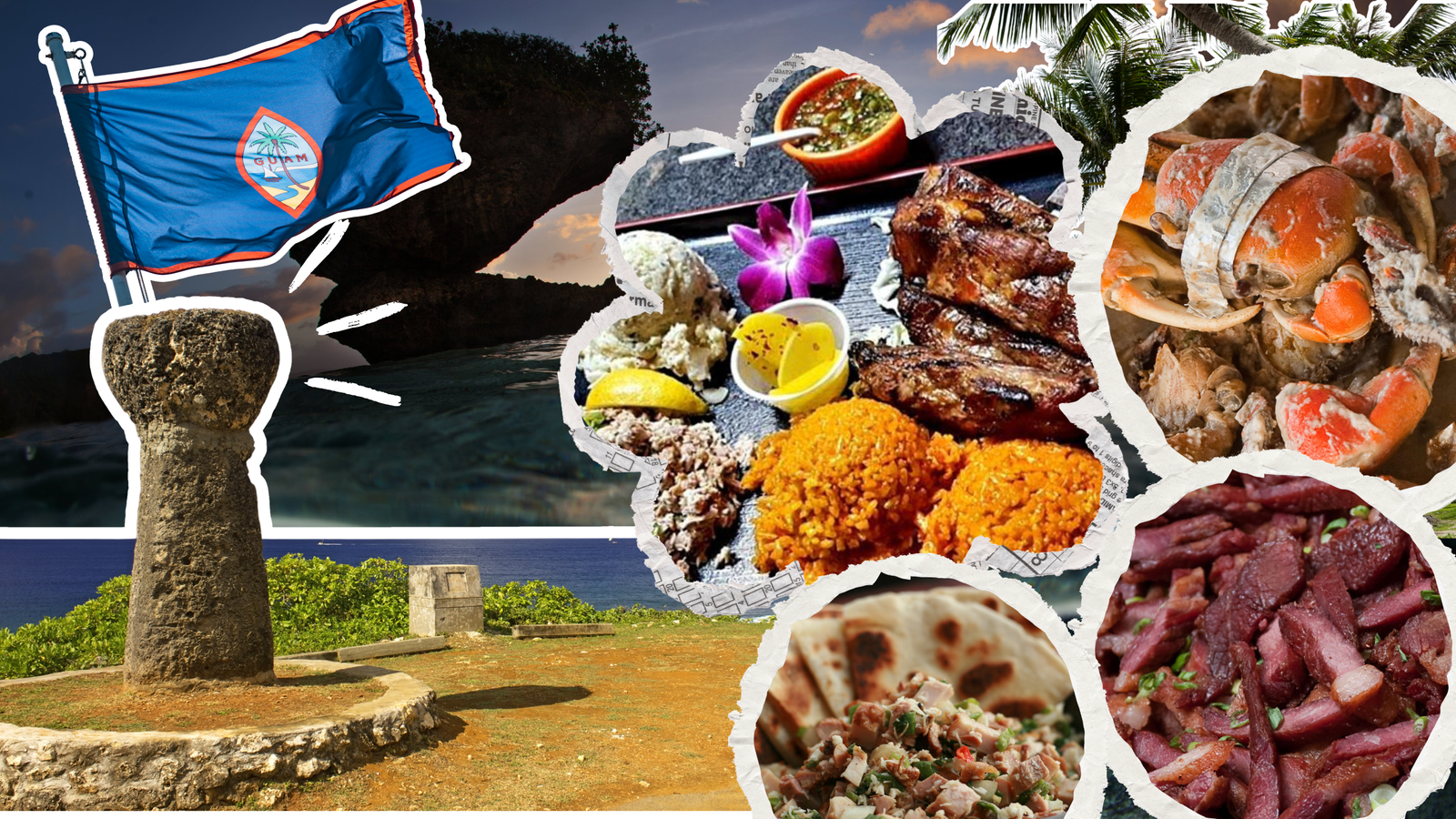
On Guam, food is more than sustenance; it is memory, heritage, and community layered into every bite. The island’s CHamoru culinary traditions have long been celebrated through hearty meals shared at fiestas and family gatherings. Yet in recent years, it is not the large platters of red rice or barbecue that are catching global attention, but the smaller, humbler companions of island life: CHamoru snacks.
These treats—portable, flavorful, and deeply tied to identity—are beginning to occupy a new role. They are no longer just items for local pantries; they are positioning themselves as cultural exports and souvenir essentials, small enough to slip into a suitcase yet rich enough to carry a piece of Guam’s story abroad.
A Heritage of Snacks
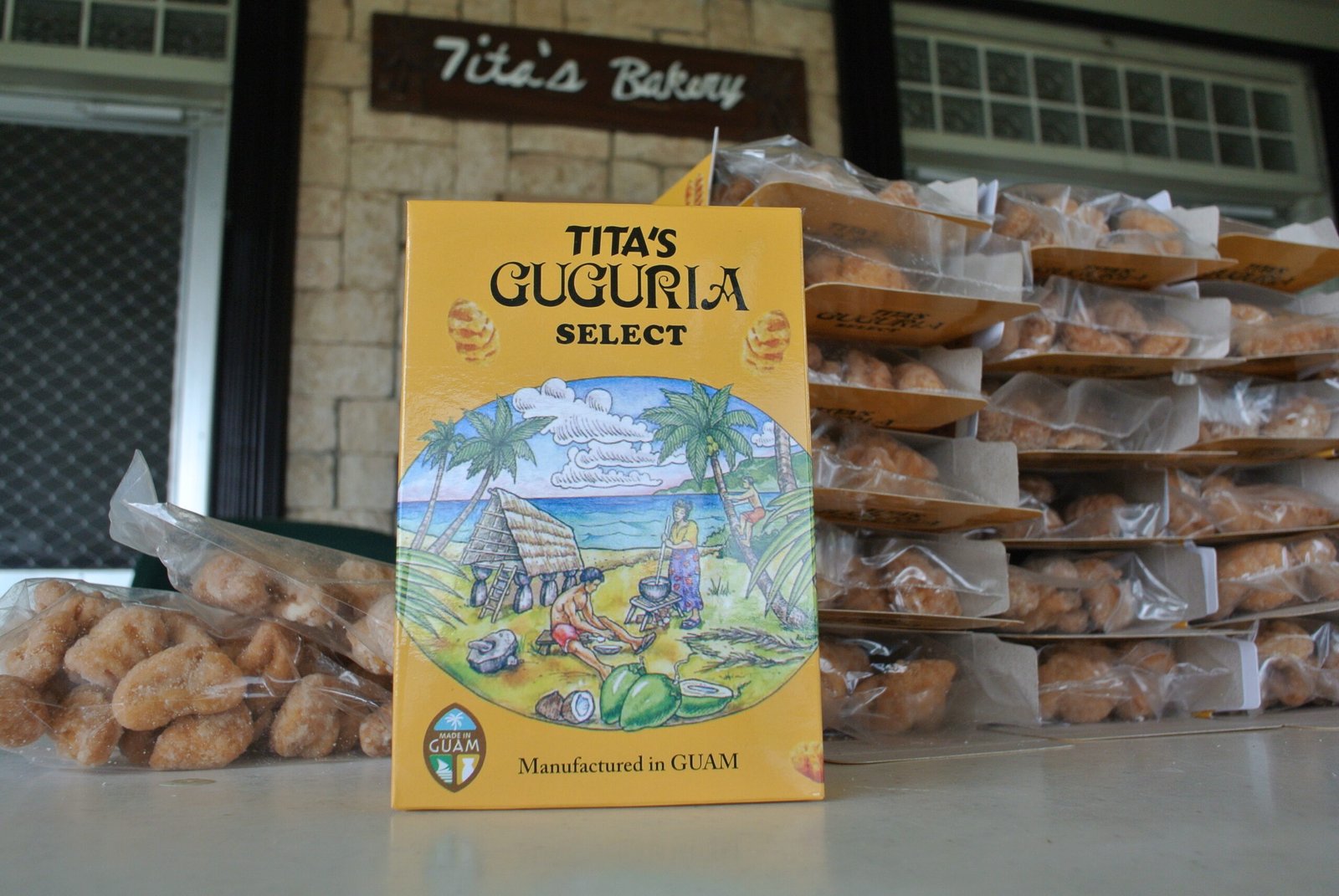
At the heart of CHamoru snacking is variety. Coconut candy, chewy and caramelized, delivers tropical sweetness in a single bite. Rosketti, the beloved melt-in-your-mouth cookie, crumbles into buttery comfort. Guyuria, crisp and resilient, echoes the toughness of biscotti and pairs beautifully with coffee. Lemai chips, thin slices of fried breadfruit, add a savory crunch, while tamarind candies strike a chord with their tangy-sweet punch.
Each of these snacks embodies a tradition. They are recipes honed over generations, often originating in home kitchens and church fundraisers before entering roadside stalls and bakeries. But to make the leap from island staple to international souvenir, they face a new challenge: the world of modern packaging and consumer appeal.
Instagrammability
In the age of global tourism, taste is not enough. A snack’s success increasingly depends on whether it is Instagrammable. Tourists want more than food—they want a story they can share online. A sleek box of rosketti with CHamoru motifs, a resealable pouch of guyuria adorned with bright island imagery, or an individually wrapped coconut candy stamped with “Made in Guam” transforms a treat into a visual statement.
A tamarind candy tucked into a generic plastic bag might delight the tongue, but it rarely makes it onto social feeds. Meanwhile, a thoughtfully designed package—playful fonts, cultural artwork, durable materials—can create moments that are as photographable as they are edible. In tourism economies, that matters.
Travel-Readiness
For a snack to succeed as a travel companion, durability and convenience become as important as flavor. A resealable bag prevents crumbs from spilling into carry-ons; vacuum-sealed wrapping extends shelf life; compact boxes slip neatly between clothes. When snacks survive the journey home intact, they transform from impulse buys into reliable souvenirs.
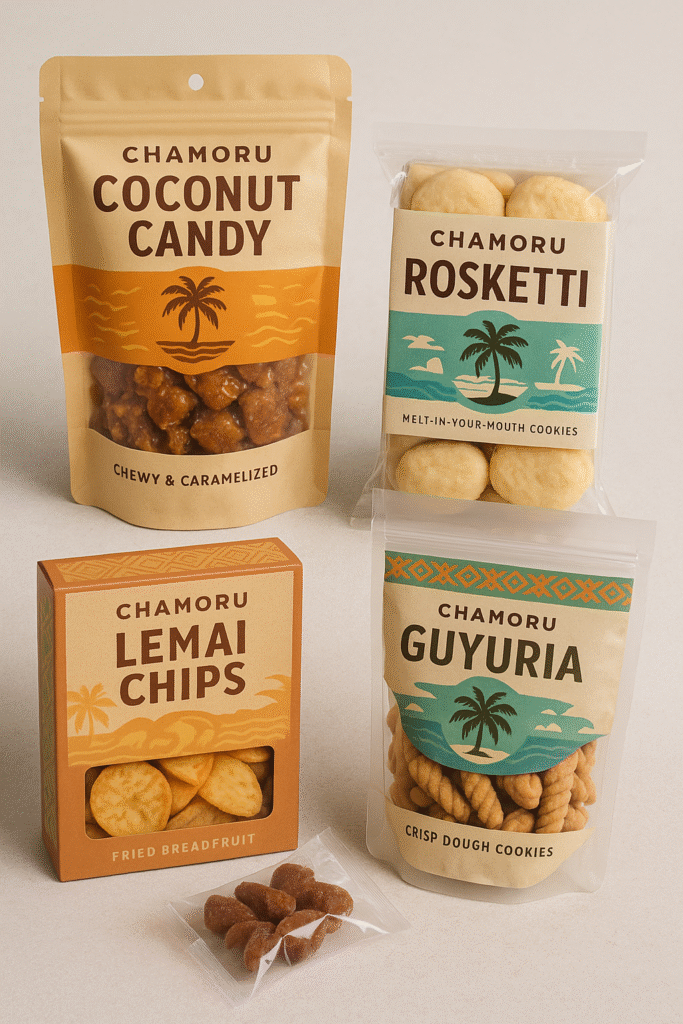
This shift is not just aesthetic—it is strategic. For local entrepreneurs, investing in travel-friendly packaging is a way to compete with global brands in duty-free shops and airports. It allows a rosketti box to stand beside Hawaiian macadamia chocolates or Japanese mochi as a credible alternative.
As Guam continues to welcome travelers, the snacks of its CHamoru kitchens are quietly evolving into a new kind of product: part souvenir, part symbol, part story. Their flavors remain unchanged—comforting, familiar, authentic—but their future rests in how they are presented.
Durable packaging, eye-catching design, and Instagram-worthy branding will ensure that CHamoru snacks not only travel well but also travel far. In doing so, they will extend Guam’s cultural footprint, one crunchy, chewy, or melt-in-your-mouth bite at a time.