Surrounded by the Pacific Ocean, Guam has always been defined by its relationship with the sea. Long before modern marinas, charter boats, and tourism excursions, the island’s earliest inhabitants relied on the ocean for food, transportation, navigation, and survival. Today, fishing charters on Guam continue that connection, offering residents and visitors an opportunity to experience a tradition deeply rooted in the island’s history and culture.
While many people view charter fishing as a recreational activity, fishing charters in Guam represent much more than a day on the water. They support local businesses, contribute to the tourism economy, preserve maritime knowledge, and help tell the story of Guam’s enduring connection to the ocean.
Guam’s cultural traditions continue to thrive through storytelling, community gatherings, and shared experiences. As explored in the article, “Sharing Guam Through Story, Culture & Connection,” preserving cultural knowledge helps strengthen community identity across generations.
Guam’s Ancient Connection to the Ocean
For thousands of years, the CHamoru people have maintained a close relationship with the sea. Ancient CHamorus were highly skilled navigators and fishermen who understood the rhythms of the Pacific Ocean long before modern technology existed. Fishing was essential to daily life and provided a reliable source of food for families and villages throughout the island.
Traditional fishing methods included the use of woven nets, spears, hooks crafted from natural materials, and fishing from proas, or traditional CHamoru canoes, capable of traveling beyond Guam’s reefs. Knowledge of the ocean was passed down through generations, teaching young fishermen how to read currents, identify productive fishing grounds, and understand the seasonal movement of fish.
Fishing was not simply an individual activity. It strengthened communities through cooperation and sharing. Families often distributed portions of their catch among relatives and neighbors, reinforcing social bonds and cultural values that remain important today.
At the center of these traditions was respect for the ocean. The sea provided sustenance and opportunity, but it also demanded knowledge, patience. and responsibility.
Traditional CHamoru Fishing Practices and Family Knowledge
One of the most important aspects of Guam’s fishing culture is the passing of knowledge between generations. Long before GPS navigation systems and fish finders, fishermen learned by spending time on the water with parents, grandparents, uncles, and other experienced members of the community.
These lessons extended beyond catching fish. Young fishermen learned how to observe changing weather conditions, recognize ocean currents, understand moon phases, and respect marine resources. The ability to “read the ocean: became a valuable skill developed through years of experience.
Many of Guam’s fishing families continue to share these traditions today. While modern equipment has transformed the industry, much of the local knowledge used by experienced captains remains rooted in observations passed down for generations. This connection between past and present helps explain why fishing remains such an important part of Guam’s identity. It is not only about what is caught but also about preserving knowledge that connects people to place, family, and culture.
The Rise of Fishing Charters on Guam
As Guam’s tourism industry has expanded, fishing evolved from a primarily subsistence and commercial activity into an important tourism experience. Fishing charters emerged as a way for visitors to explore Guam’s offshore waters while benefiting from the expertise of local captains.
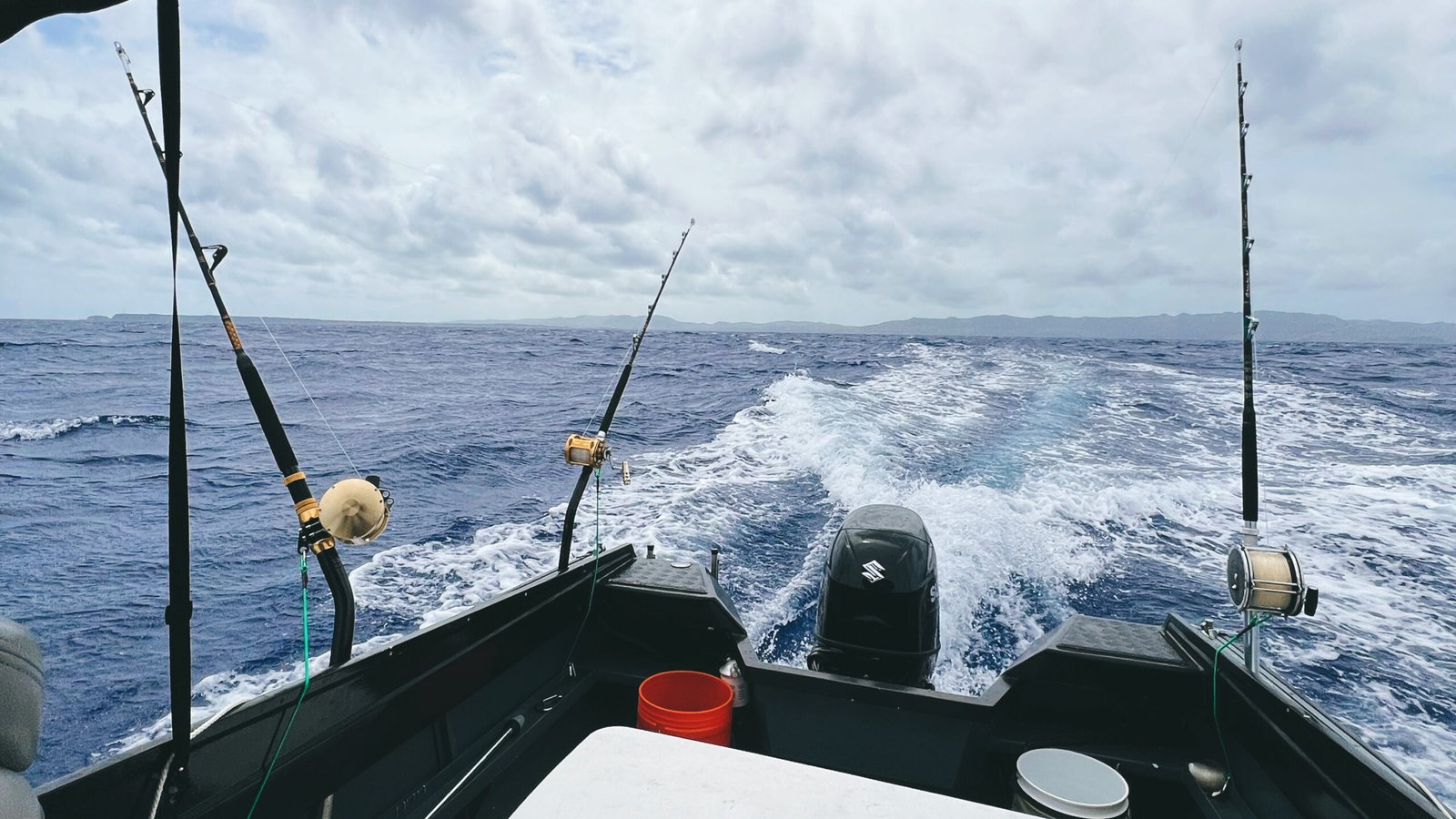
Today, Guam fishing charters attract visitors from around the world who seek the excitement of catching species such as blue marlin, yellowfin tuna, wahoo, mahi-mahi, and sailfish. For many tourists, these trips offer a unique opportunity to experience the island beyond its beaches, shopping districts, and resorts.
What distinguishes fishing charters on Guam from similar experiences elsewhere is the local knowledge that guides each trip. Captains often share stories about Guam’s waters, marine life, and fishing traditions, helping visitors gain a deeper appreciation for the island’s maritime heritage.
As a result, fishing charters have become more than recreational excursions. They serve as cultural ambassadors that connect tourism with local history and traditions.
Fishing Seasons and Ocean Conditions Around Guam
Successful fishing on Guam depends heavily on understanding the ocean’s changing conditions. Water temperatures, currents, tides, trade winds, and migratory fish patterns all influence what species may be found throughout the year.
Although fishing opportunities exist year-round, certain species are more active during specific seasons:
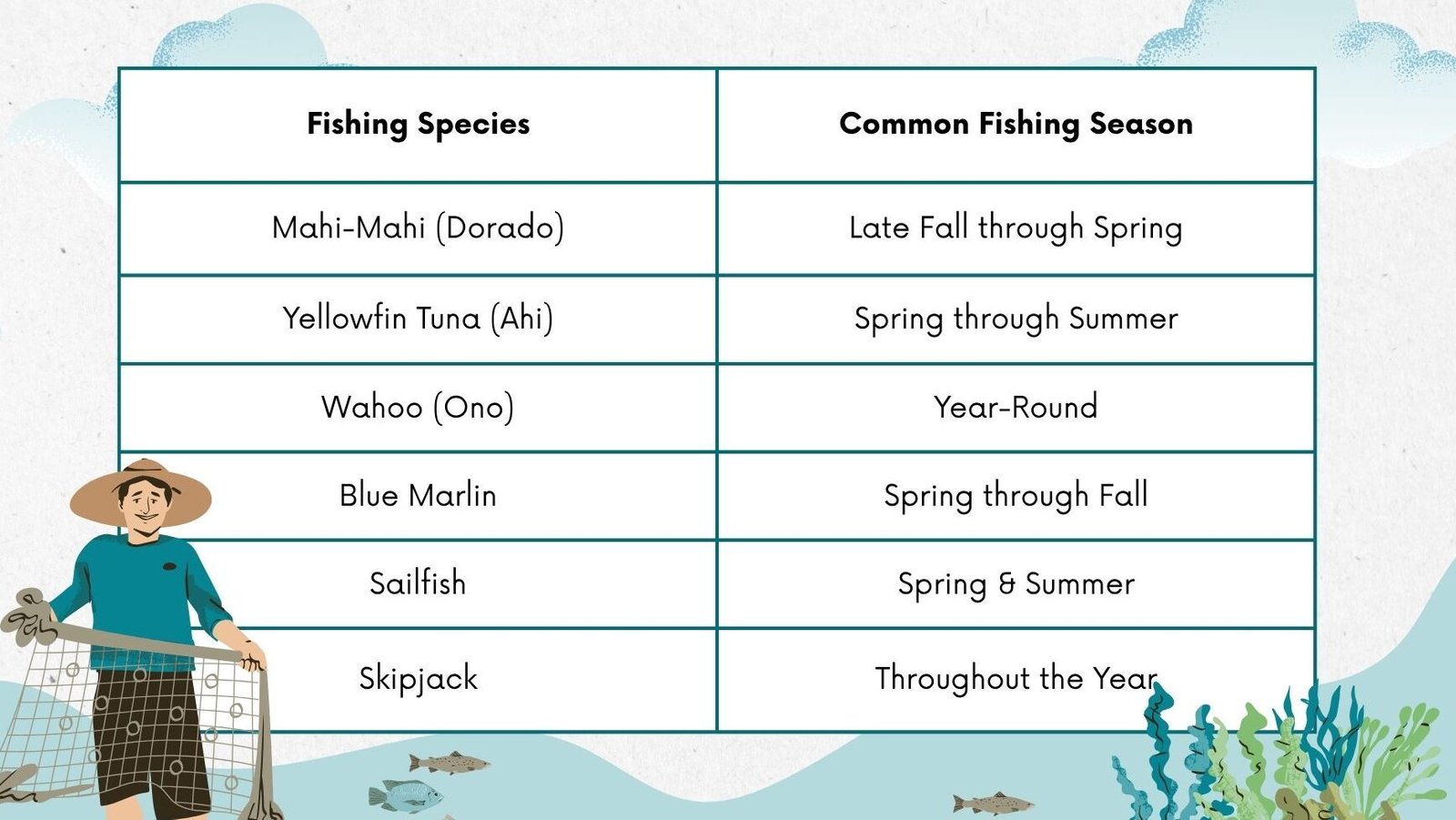
Guam’s tides also play an important role in fishing success. Experienced captains carefully monitor tidal movements, moon phases, and weather patterns when planning offshore trips. Many fishermen believe some of the best fishing occurs during changing tides when baitfish become more active and attract larger predators.
These observations reflect knowledge passed down through generations and continue to influence modern fishing practices.
Economic Impact of Fishing Charters on Guam
Fishing charters contribute to Guam’s economy in ways that extend far beyond the boats themselves. The industry supports a network of local businesses and service providers that benefit from tourism activity.
Visitors who book fishing charters often stay in hotels, dine in local restaurants, rent vehicles, purchase supplies, and participate in other island activities. This creates economic opportunities across multiple sectors while supporting local employment.
The charter industry also supports:
- Boat Captains
- Deckhands
- Marina Operators
- Fuel Suppliers
- Equipment Retailers
- Tourism Companies
- Hospitality Businesses
For many visitors, booking a fishing charter is an opportunity to experience a more authentic side of Guam. Rather than simply observing the island, visitors actively engage with local culture and traditions while spending time on the water.
This blend of tourism and cultural experience helps distinguish Guam from many other destinations throughout the Pacific.
Sustainable Fishing and Ocean Stewardship
As interest in fishing tourism continues to grow, sustainability has become increasingly important. Protecting marine resources ensures that future generations can continue to benefit from Guam’s rich fishing traditions.
Many charter operators emphasize responsible fishing practices, including adherence to local regulations, conservation efforts, and education opportunities for visitors. Some captains encourage catch-and-release practices for certain species while promoting awareness of Guam’s Marine ecosystem.
Organizations such as NOAA Fisheries continue to support research and conservation efforts throughout the Pacific region, helping maintain healthy fish populations and marine ecosystems. These efforts contribute to a better understanding of marine resources and help ensure sustainable fishing opportunities for future generations.
For many local fishermen, conservation is not simply an environmental issue. It is a cultural responsibility.
The traditions inherited from previous generations depend on healthy oceans and sustainable fishing populations. Preserving Guam’s marine resources helps ensure that future families can continue learning the same lessons, experiencing the same waters, and sharing the same traditions that have shaped island life for centuries.
Why Fishing Charters Remain Important to Guam’s Identity
Fishing charters on Guam represent a bridge between the island’s past and present. They connect ancient CHamoru traditions with modern tourism while providing economic opportunities for local businesses and communities.
Every trip offshore reflects a story that began thousands of years ago. While technology has transformed how people fish, the fundamental relationship between Guam and the ocean remains unchanged.
For visitors, fishing charters offer an unforgettable experience on the Pacific Ocean. For residents, they serve as a reminder of Guam’s maritime heritage and the generations of knowledge that continue to shape island life.
More than a tourism activity, fishing charters help preserve culture, strengthen local businesses, and celebrate the enduring connection between Guam’s people and the sea.
As Guam continues to grow and evolve, fishing charters remain a living example of how traditions can adapt while still honoring their roots. They demonstrate that the ocean is not simply part of Guam’s geography—it is part of its identity.