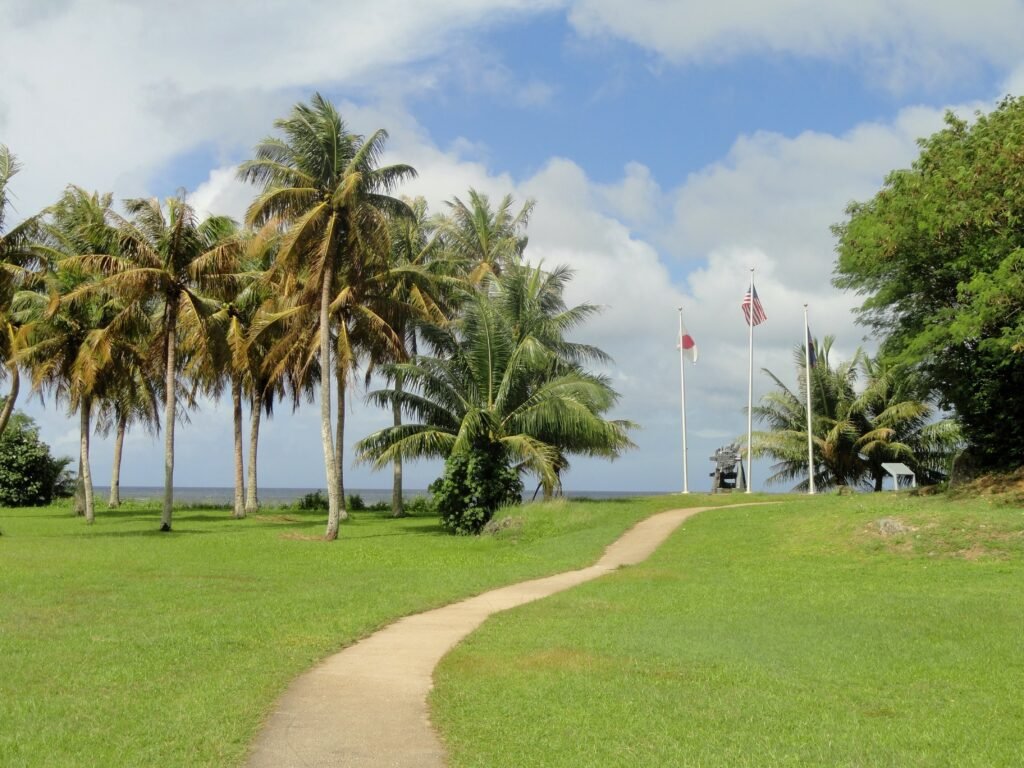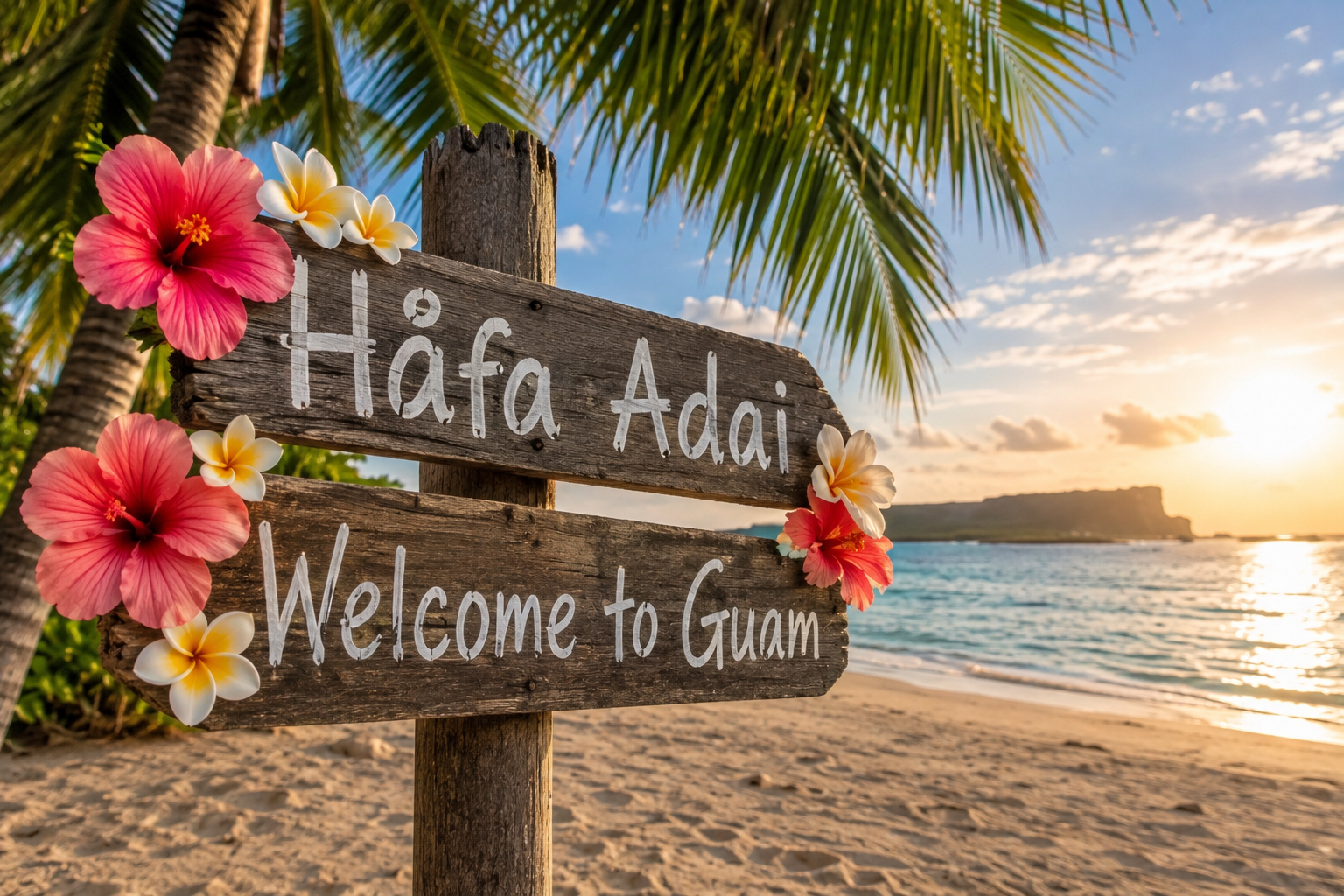
Mariana Islands tourism is known for its white-sand beaches, rich CHamoru culture, and breathtaking natural beauty. But in early July 2026, Super Typhoon Bavi reminded residents and visitors alike that life in the islands is shaped not only by paradise but also by resilience.
While many families across the United States celebrated the Fourth of July with backyard barbecues and fireworks, families throughout the Mariana Islands spent the holiday preparing for one of the strongest storms to impact the region in recent years.
Homes were transformed into worksites as plywood covered windows, outdoor furniture was secured, and emergency supplies quickly disappeared from store shelves. Residents filled gas tanks, stocked food and water, and checked generators while visitors rushed to catch one of the last outbound flights before airport operations were suspended. Hotels shifted their focus from welcoming vacationers to implementing emergency plans, and schools across Guam and the Commonwealth of the Northern Mariana Islands (CNMI) opened their doors as public shelters.
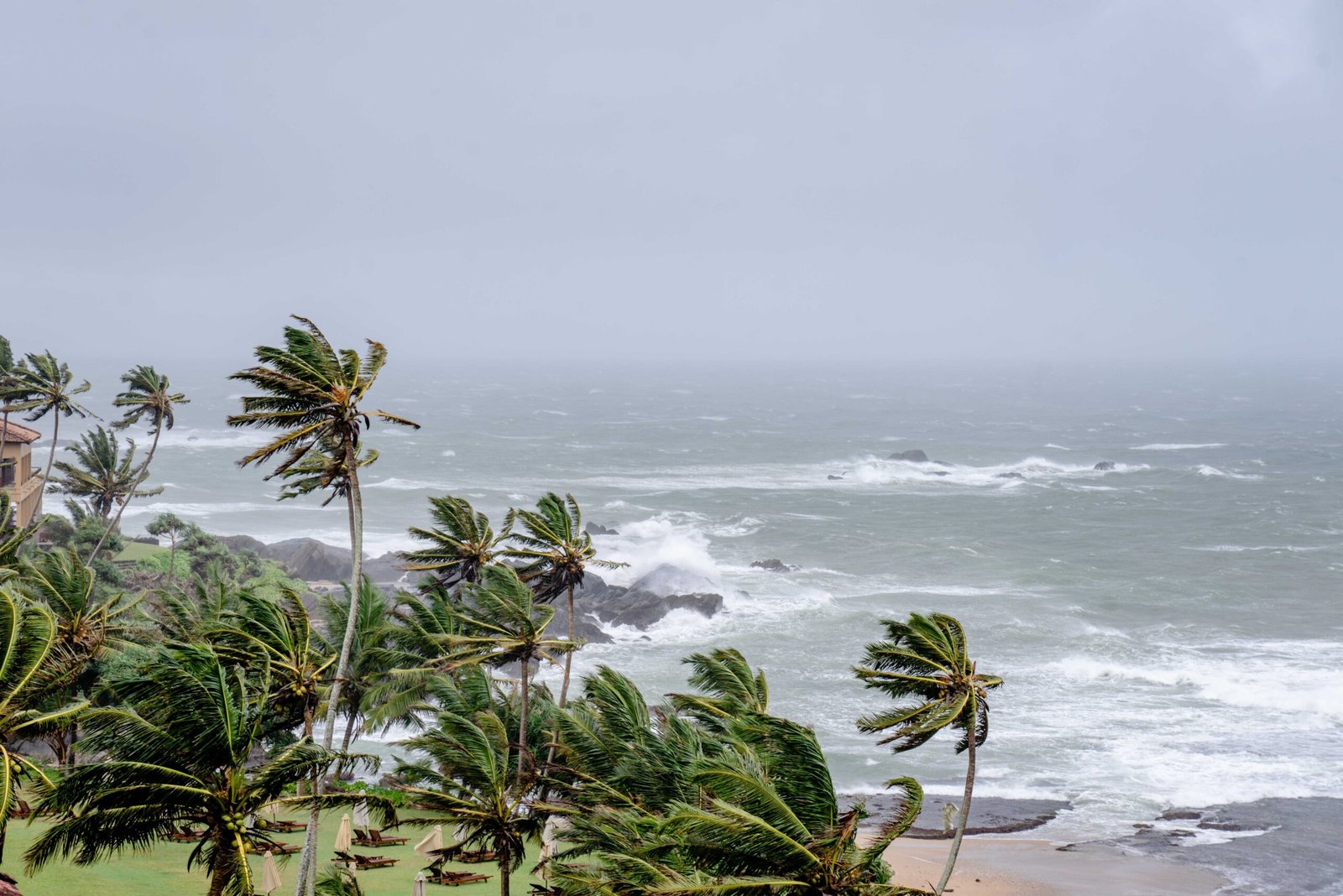
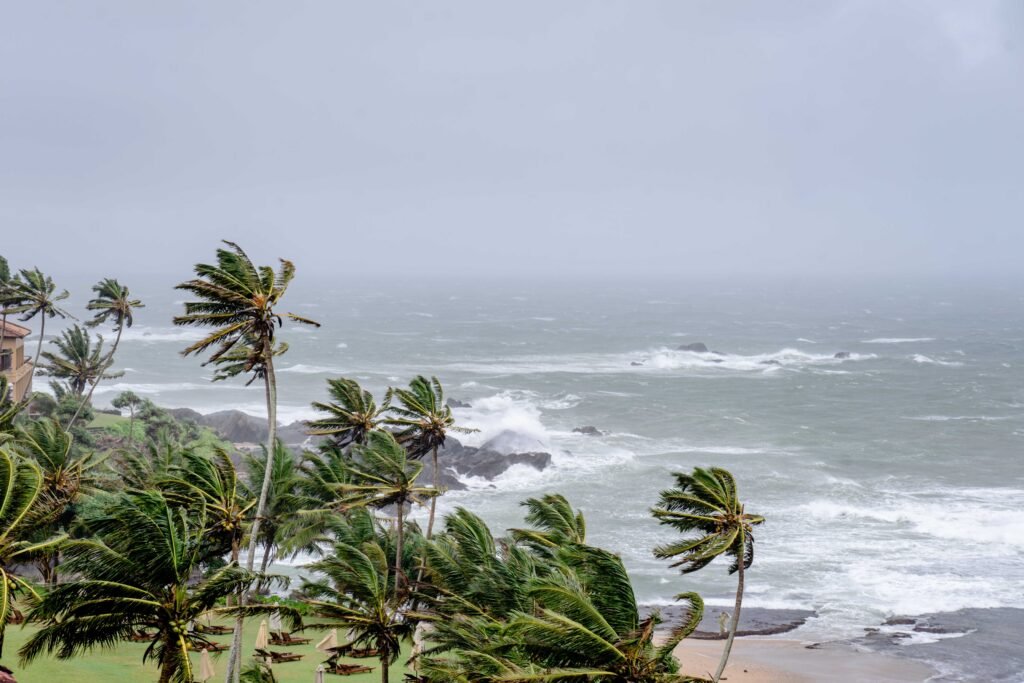
Only days later, Super Typhoon Bavi swept through the Marianas, bringing destructive winds, heavy rain, widespread power outages, flooding, and significant damage across the region. Throughout the event, residents closely monitored forecasts and advisories from the National Weather Service Guam, which provided critical updates as Bavi approached the Marianas. While the strongest conditions were experienced in parts of the Northern Mariana Islands, Guam also endured dangerous weather that disrupted daily life and temporarily brought tourism to a standstill. Although recovery efforts began almost immediately, the storm served as another reminder that life in the Marianas is shaped not only by beautiful coastlines and tropical weather but also by resilience in the face of natural disasters.
The Mariana Islands tourism is a major economic driver, and every typhoon creates two parallel recoveries: rebuilding communities and restoring traveler confidence.
How Typhoons Shape Mariana Islands Tourism
Super Typhoon Bavi was not the first major storm to test the Marianas.
Typhoon Mawar left Guam with months of recovery in 2023, while Super Typhoon Sinlaku caused significant damage across parts of the CNMI earlier this year. Before many communities had fully recovered, Bavi brought another round of destructive weather, forcing residents and businesses to begin rebuilding once again.
This cycle of preparation, response, and recovery has become a familiar reality for island communities.
The Immediate Impact on Tourism
When travelers hear about a typhoon, the first images that often come to mind are canceled flights or postponed vacations. The arrival of Super Typhoon Bavi brought Mariana Islands tourism to a temporary standstill as flights were canceled, visitor attractions closed, and tour operators suspended excursions.
While those disruptions certainly affect visitors, they represent only a small part of what happens as a major storm approaches the Marianas.
Days before Bavi arrived, airlines began adjusting schedules to accommodate changing weather conditions. Residents hoping to leave before the storm joined visitors attempting to return home, creating a surge in demand for the final departing flights.
Hotels activated emergency response plans, secured outdoor facilities, reinforced vulnerable areas, and communicated safety procedures to guests who would remain on the island throughout the storm. Tour operators suspended excursions, dive boats returned to port, fishing charters canceled trips, and outdoor attractions closed as hazardous conditions approached.
Although these preparations temporarily pause tourism operations, they are essential for ensuring the safety of both residents and visitors.
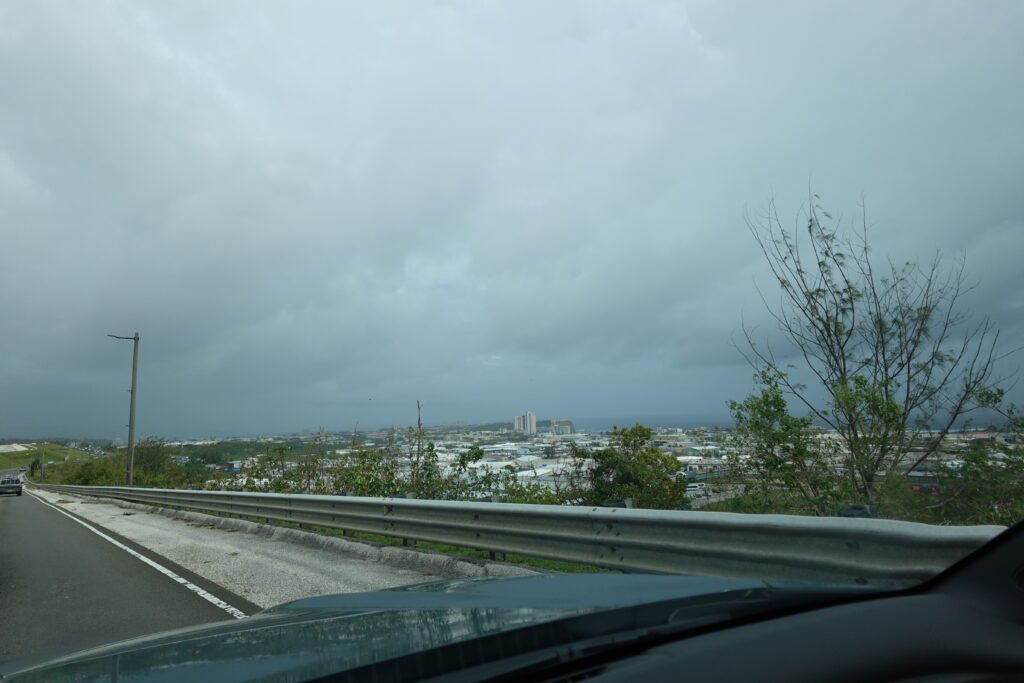
Hospitality Takes on a New Meaning
As weather conditions deteriorate, the role of the hospitality industry changes dramatically.
Hotels become more than places to stay—they become safe havens.
Visitors who are unable to leave the islands depend on hotel staff not only for accommodations but also for reassurance during an unfamiliar and often frightening experience. Employees continue serving guests while also worrying about their own homes and families.
Across the islands, the spirit of hospitality extends far beyond hotels.
Schools become emergency shelters, community centers open to displaced families, and neighbors help one another secure homes before destructive winds arrive. Families welcome relatives and friends into safer structures, volunteers distribute emergency supplies, and community organizations coordinate assistance for older adults and residents with limited mobility.
These acts of generosity are not organized for tourists or public recognition. They are simply part of island life.
When Paradise Pauses
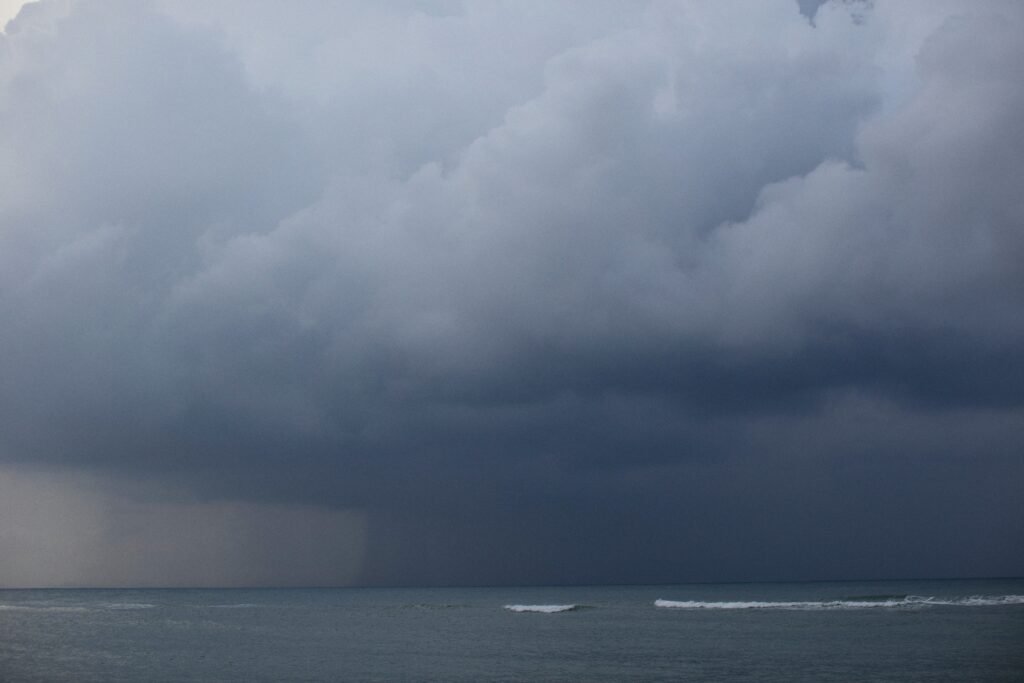
When Bavi reached the Marianas, daily life came to a sudden stop.
Roads emptied as residents sheltered indoors. Airports suspended commercial operations. Government offices and businesses closed. Beaches, parks, hiking trails, and popular visitor attractions became inaccessible.
The familiar sounds of island life were replaced by powerful winds, relentless rain, and the uncertainty that accompanies every major typhoon.
For visitors sheltering in hotels, the experience offered a different perspective of the islands. Rather than seeing Guam or the CNMI through resort activities and sightseeing, they witnessed firsthand the resilience required to live in a region where tropical cyclones are part of life.
The effects extended well beyond the hours of the storm itself.
Trees blocked roadways, power lines were damaged, flooding affected neighborhoods, and debris covered beaches, parks, and public spaces. While the extent of damage varied from island to island, communities throughout the Marianas faced the same immediate challenge: restoring essential services and beginning the process of recovery.
Recovery Begins Immediately
One of the defining characteristics of the Mariana Islands is how quickly recovery efforts begin.
Even before conditions are fully stable, emergency responders, utility crews, public works employees, healthcare professionals, and countless other essential workers begin assessing damages and restoring critical services.
Their work often starts while many residents are unable to leave their homes safely.
Road crews clear fallen trees and debris to reopen transportation routes. Utility workers restore electricity and water service neighborhood by neighborhood. Airport personnel inspect runways and facilities to prepare for the return of commercial flights. Port authorities assess maritime infrastructure before allowing vessels to resume normal operations.
These efforts are largely invisible to visitors, yet they form the foundation of the tourism industry’s recovery. Without functioning utilities, safe transportation, and restored infrastructure, hotels, restaurants, tour operators, and attractions cannot fully reopen.
Tourism Doesn’t Reopen Overnight
Although some businesses are able to resume operations within days, the recovery of the Mariana Islands tourism often takes a little longer.
Airlines gradually restore flight schedules as airport operations stabilize. Hotels inspect guest rooms and facilities before welcoming new arrivals. Beaches require cleanup, hiking trails must be evaluated for fallen trees and erosion, and marine tour operators carefully assess ocean conditions before resuming excursions.
For tourism operators, balancing a timely reopening with visitor safety is essential. Every decision is made with the understanding that protecting both residents and travelers must always come first.
Restoring Confidence in the Mariana Islands Tourism
One of the greatest challenges after a typhoon is not simply repairing damages— it is restoring confidence among potential visitors.
When travelers see headlines about a powerful storm, many assume an entire destination will remain closed for weeks or even months. Some postpone vacations, while others cancel trips altogether, unsure whether hotels, attractions, or restaurants will be operating.
In reality, recovery across the Mariana Islands often begins remarkably quickly.
Airports gradually resume commercial flights once it is safe to do so. Hotels complete inspections and necessary repairs. Restaurants welcome customers again, and tour operators carefully return to the water as conditions improve. Tour operators—including Guam fishing charters—carefully assess ocean conditions, vessels, and equipment before resuming excursions once it is safe. While some attractions may require additional time to recover, many visitor experiences resume sooner than travelers expect.
Communicating these recovery efforts is essential. As recovery continues, organizations such as the Guam Visitors Bureau provide travel updates and encourage visitors to support local businesses as tourism operations resume across the island.
Keeping travelers informed about which businesses have reopened, what services are available, and where recovery efforts are still underway helps visitors make informed decisions while supporting local communities responsibly.
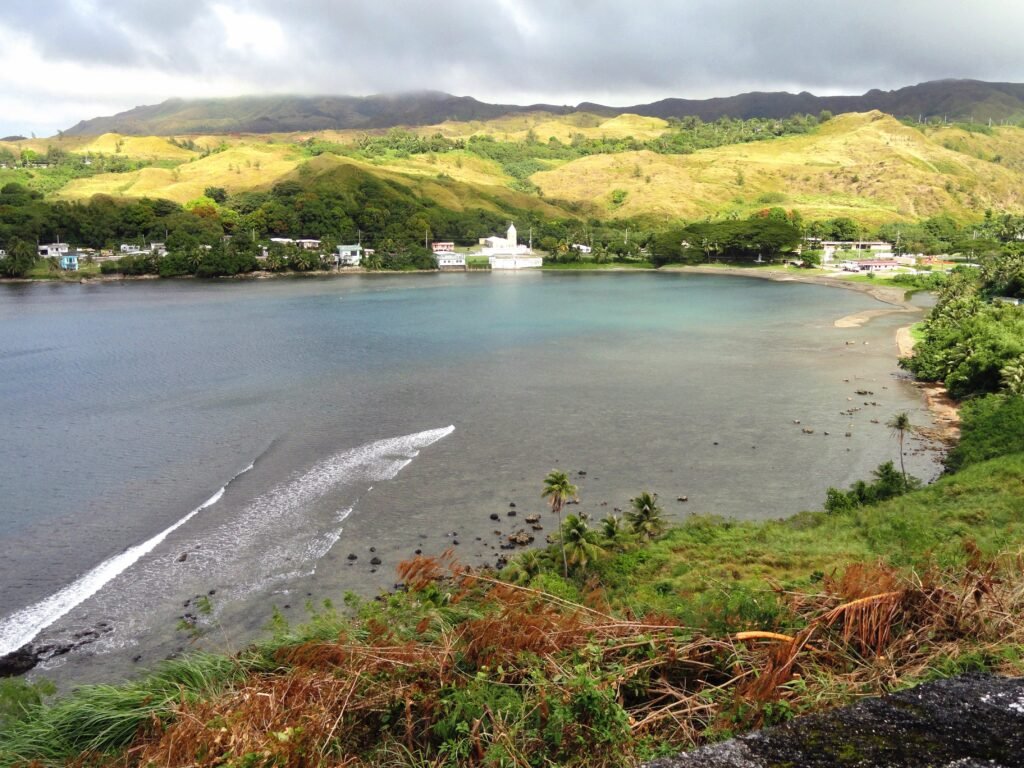
Tourism Part of Recovery
Mariana Islands tourism is often viewed as an industry that pauses during disasters, but it also becomes one of the driving forces behind economic recovery.
The return of visitors helps create demand for local businesses, supports jobs, and generates income that circulates throughout island communities. Every hotel stay, restaurant meal, cultural tour, rental car reservation, and purchase from a locally owned business contributes to families rebuilding after a storm.
For many residents, tourism is not separate from everyday life— it is the foundation of their livelihoods.
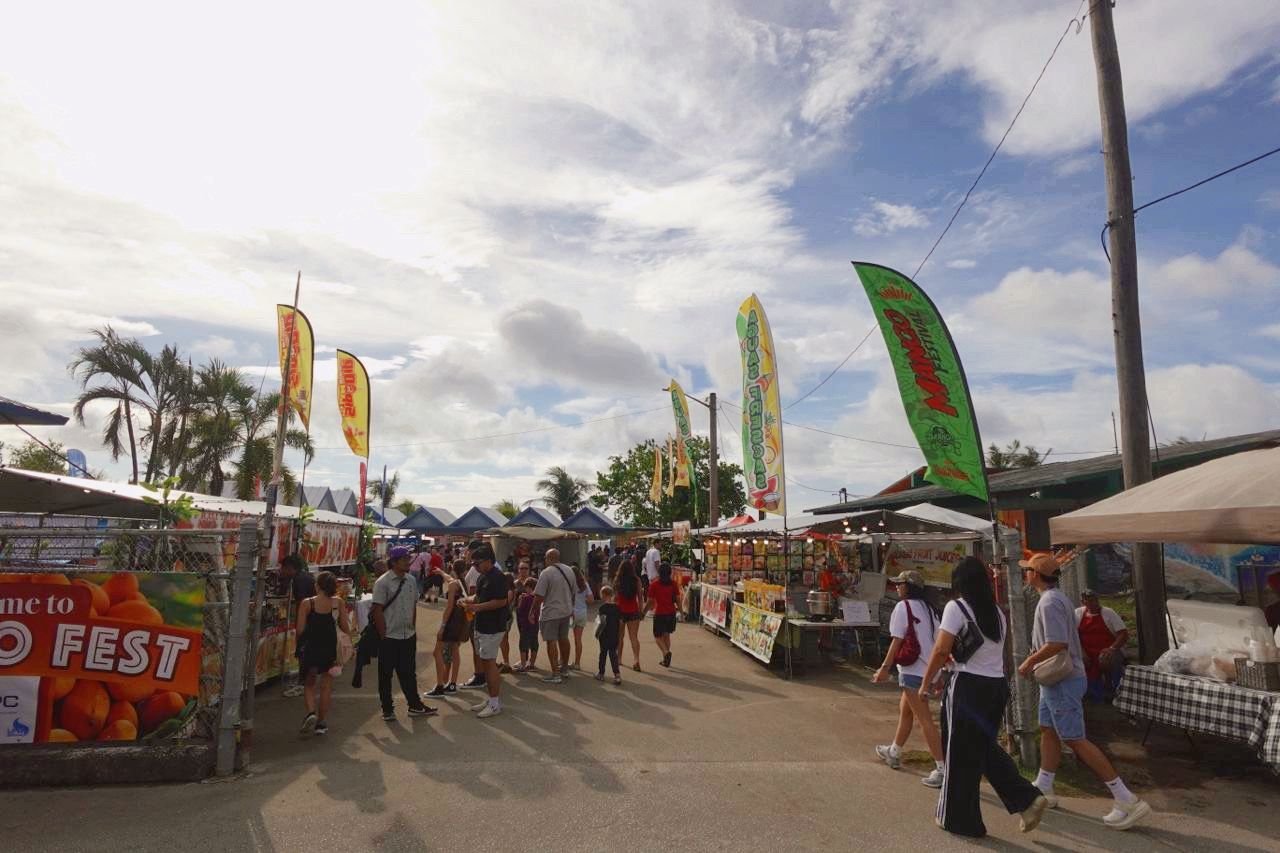
This is especially true in the Marianas, where small businesses play a vital role in the visitor economy. Family-owned restaurants, tour operators, artisans, farmers, market vendors, transportation providers, and cultural organizations all benefit when travelers return.
Supporting these businesses after a natural disaster helps the Mariana Islands tourism recover while strengthening local economies and preserving the experiences that make the islands unique.
The Resilience Behind the Destination
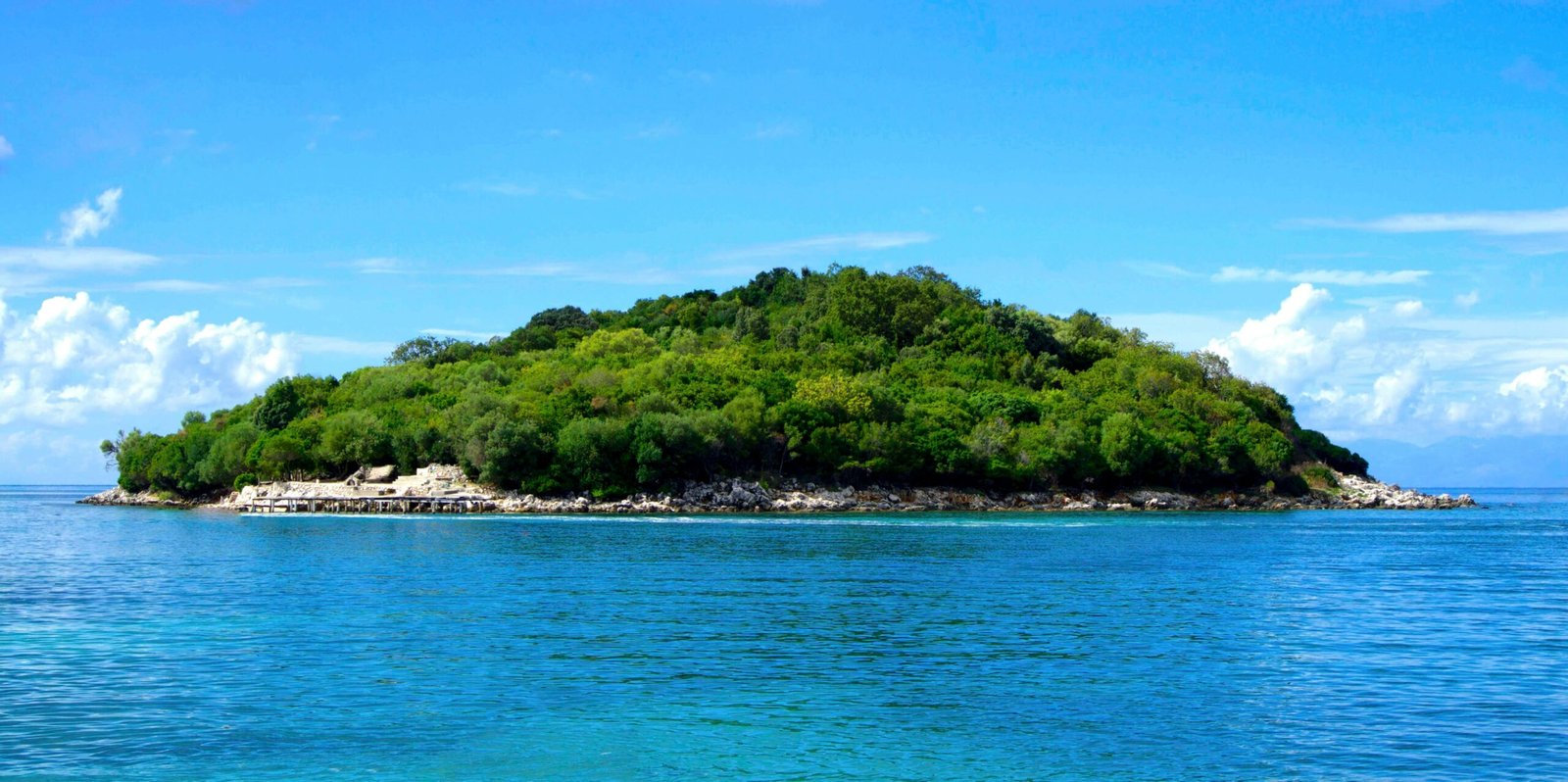
The Mariana Islands are often celebrated for their crystal-clear waters, white-sand beaches, rich cultural heritage, and warm hospitality. Those qualities continue to draw visitors from around the world.
But storms like Bavi reveal another side of the destination that many travelers never see.
They reveal neighbors helping neighbors clear debris before returning to work. They reveal hotel employees caring for stranded guests while managing concerns about their own homes. They reveal utility crews working long hours to restore essential services, airport personnel preparing for the safe return of flights, and countless community members volunteering their time to help others recover.
These efforts rarely appear in travel brochures, yet they are part of what makes the Marianas such a remarkable place.
The same sense of community that supports residents during difficult times is the same spirit of hospitality visitors experience when they arrive.
Looking Ahead
The future of the Mariana Islands tourism depends on more than emergency preparedness. It requires resilient infrastructure, sustainable tourism practices, environmental stewardship, and continued investment in local businesses.
For the Mariana Islands, that resilience extends beyond emergency preparedness. It includes investing in stronger infrastructure, supporting local businesses, protecting natural resources, and building a tourism industry that can recover quickly while remaining sustainable for future generations. Every storm offers new lessons about preparedness, recovery, and the importance of community collaboration.
Typhoons will always be part of life in the Marianas, but they do not define the islands.
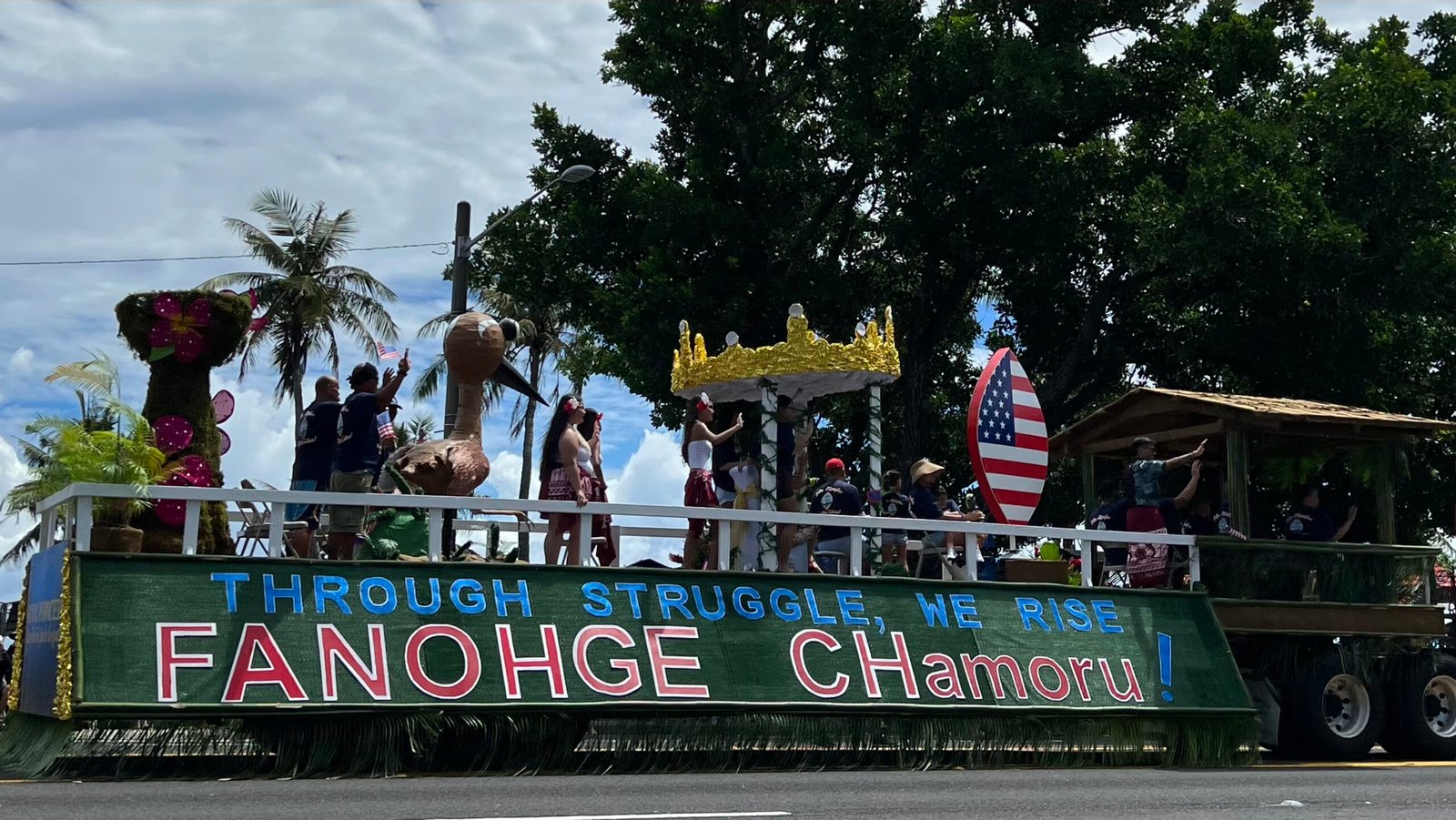
What defines the Marianas is the determination to rebuild after every storm, the willingness of neighbors to help one another, and the hospitality that continues even during the most difficult times. Communities come together to restore homes, businesses adapt to serve visitors again, and tourism becomes an important part of the region’s economic recovery.
For travelers, understanding the Marianas means seeing beyond the beaches and resorts. It means recognizing that these islands are home first and vacation destination second. The people who welcome visitors each day are the same people repairing businesses, restoring communities, and supporting one another after disaster strikes.
As the Mariana Islands continue recovering from Super Typhoon Bavi, the future of the Mariana Islands tourism will depend not only on rebuilding infrastructure but also on the continued support of travelers who choose to visit responsibly. Every hotel stay, meal at a locally owned restaurant, cultural tour, and purchase from a small business helps sustain livelihoods and contributes to the long process of recovery.
The resilience shown after Bavi demonstrates that the Mariana Islands tourism is built on far more than beautiful beaches—it is sustained by the people who call these islands home.
The strongest attraction the Mariana Islands have to offer has never been the beaches alone.
It has always been the people.