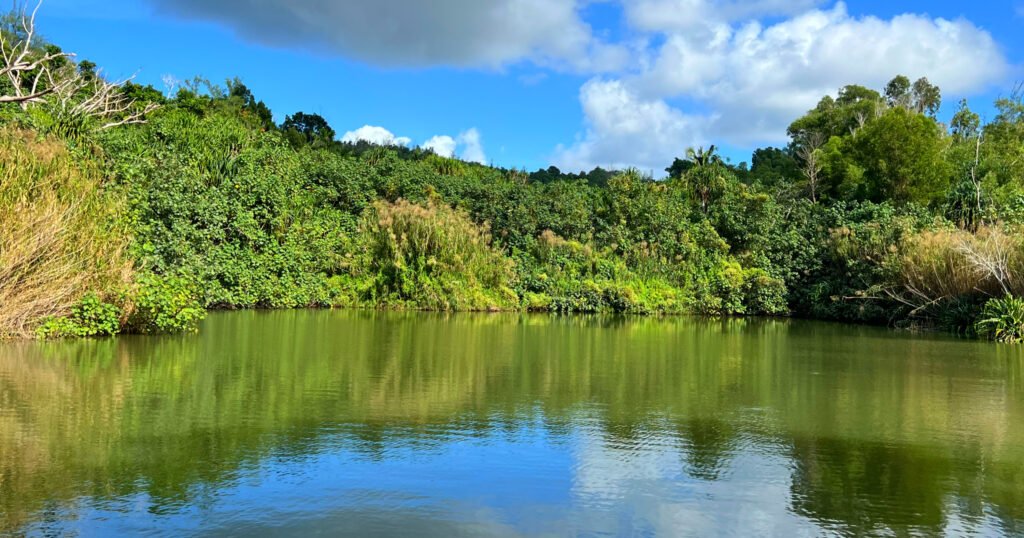
As visitor arrivals continue to recover and grow, conversations about the future of tourism on Guam are becoming increasingly important. Tourism remains one of the island’s most significant economic drivers, supporting local businesses, creating jobs, and connecting Guam with travelers from around the world. However, as visitor numbers increase, so does the need to ensure that tourism benefits the island without placing unnecessary strain on its people, culture, and environment.
This is where sustainable tourism on Guam becomes essential.
Sustainable tourism is about finding a balance between economic growth, environmental stewardship, and cultural preservation. It encourages travelers to experience Guam in a meaningful way while helping ensure that future generations can continue to enjoy the island’s natural beauty, cultural heritage, and unique way of life.
Why Sustainable Tourism Matters for Guam
Guam’s appeal extends far beyond its beaches and resorts. Visitors are drawn to the island’s rich CHamoru culture, historical sites, outdoor adventures, local cuisine, and welcoming community. As tourism grows, protecting these assets becomes increasingly important.
One challenge many destinations face is the concentration of tourism in a small geographic area. On Guam, much of the visitor activities have traditionally been centered around Tumon. While this concentration benefits nearby businesses, it can also contribute to beach erosion, traffic congestion, pollution, and increased pressure on local infrastructure.
Recognizing these challenges, many tourism-related businesses are gradually expanding the experiences they offer beyond Tumon. Tour operators are creating island-wide excursions that introduce visitors to southern villages, cultural landmarks, hiking destinations, and lesser-known natural attractions. Hotels and resorts are also increasingly promoting activities that encourage guests to explore more of Guam, helping visitors discover different parts of the island while supporting the local community outside of the primary tourism district.
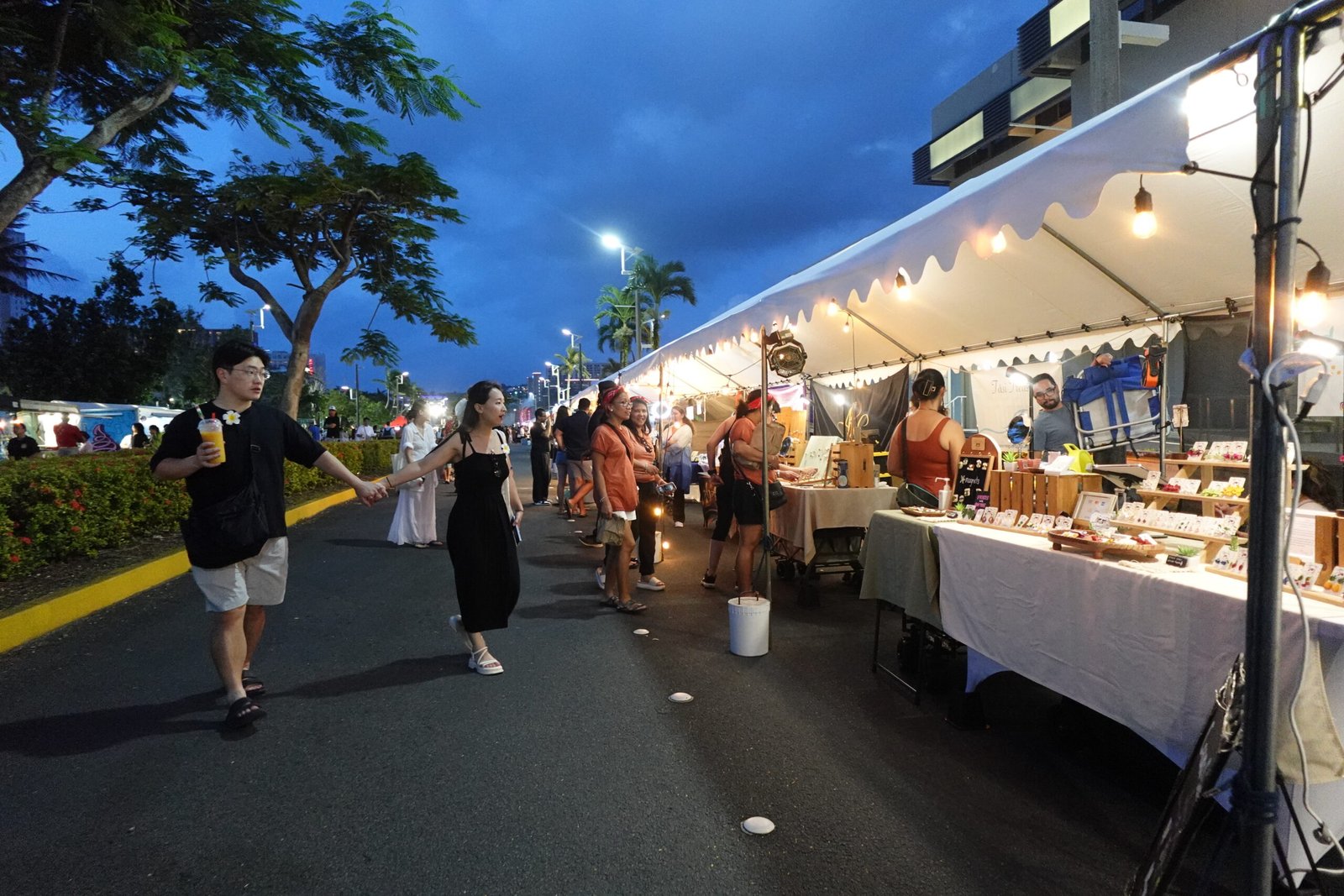
Sustainable tourism encourages a more balanced approach by promoting experiences throughout the island. Visitors who explore southern villages, local farms, cultural sites, community festivals, and locally owned businesses help distribute economic benefits more evenly while reducing pressure on heavily visited areas. This approach not only supports economic growth across Guam but also provides travelers with a deeper and more authentic understanding of the island’s culture, history, and natural beauty.
Preserving CHamoru Culture Through Responsible Travel
Culture plays an important role in sustainable tourism. For Guam, preserving CHamoru traditions helps ensure that local communities remain connected to their ancestors, history, and identity. Through the island, cultural festivals, historical sites, community events, and educational programs provide opportunities to celebrate and share CHamoru heritage with both residents and visitors.
Visitors often seek authentic experiences when traveling. Learning about traditional practices, attending community events such as village celebrations, visiting historical sites, participating in cultural tours, and supporting local artisans can create meaningful connections between travelers and residents. These experiences not only enrich a visitor’s understanding of Guam but also help support local businesses and organizations.
However, cultural appreciation must be accompanied by respect.
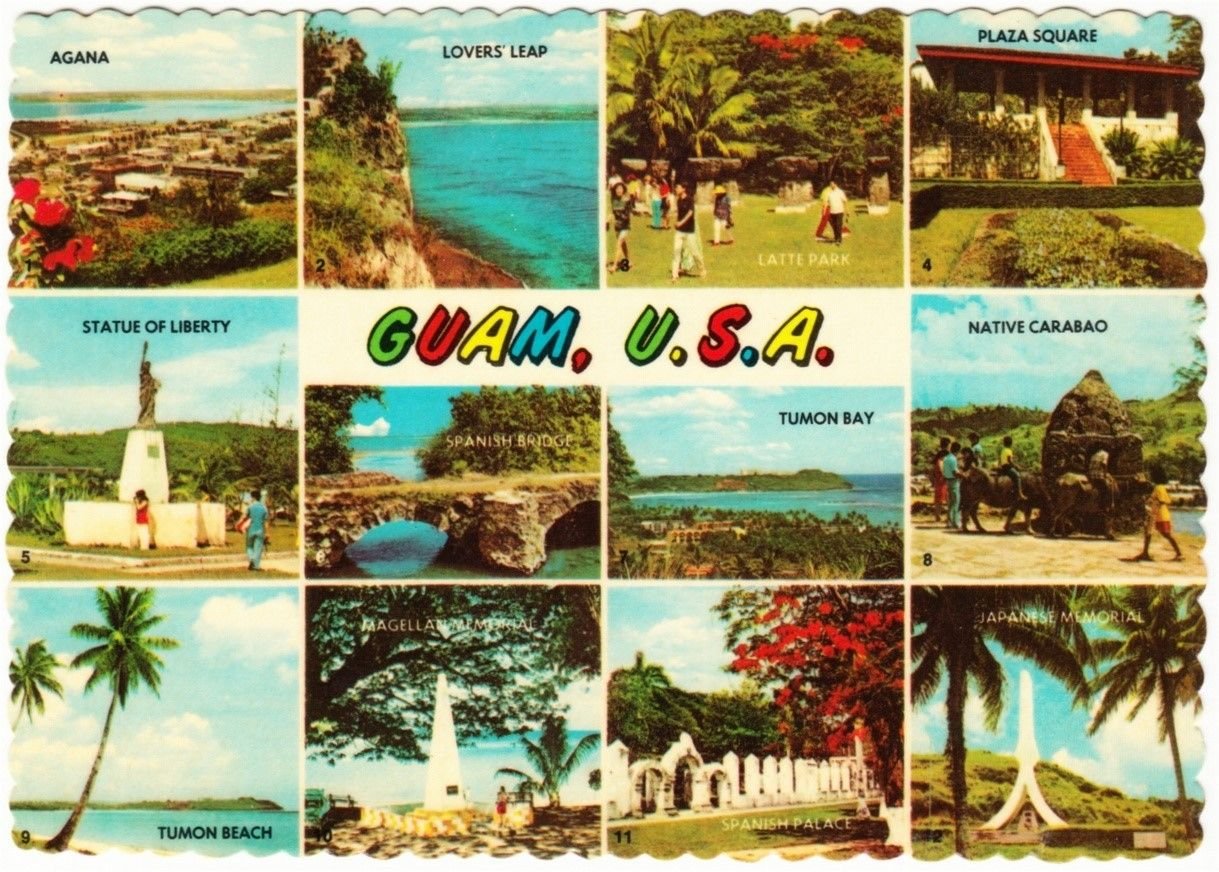
Visitors may not always understand local customs, traditions, or the significance of certain places. Increasing cultural awareness can help prevent misunderstandings and encourage more respectful interactions with the island and its people. Whether visiting ancient latte stone sites, attending cultural events, or exploring natural areas that may hold historical or spiritual significance, understanding the importance of these places is an essential part of responsible travel.
Sustainable tourism provides an opportunity to educate visitors about Guam’s cultural values while encouraging them to engage thoughtfully with the communities they visit. Many organizations, tour operators, museums, and community groups already work to share the island’s history, traditions, and stories in ways that promote both cultural preservation and visitor education. By fostering greater understanding and respect, sustainable tourism can. help ensure that Guam’s cultural heritage continues to thrive for future generations while creating more meaningful experiences for those who visit.
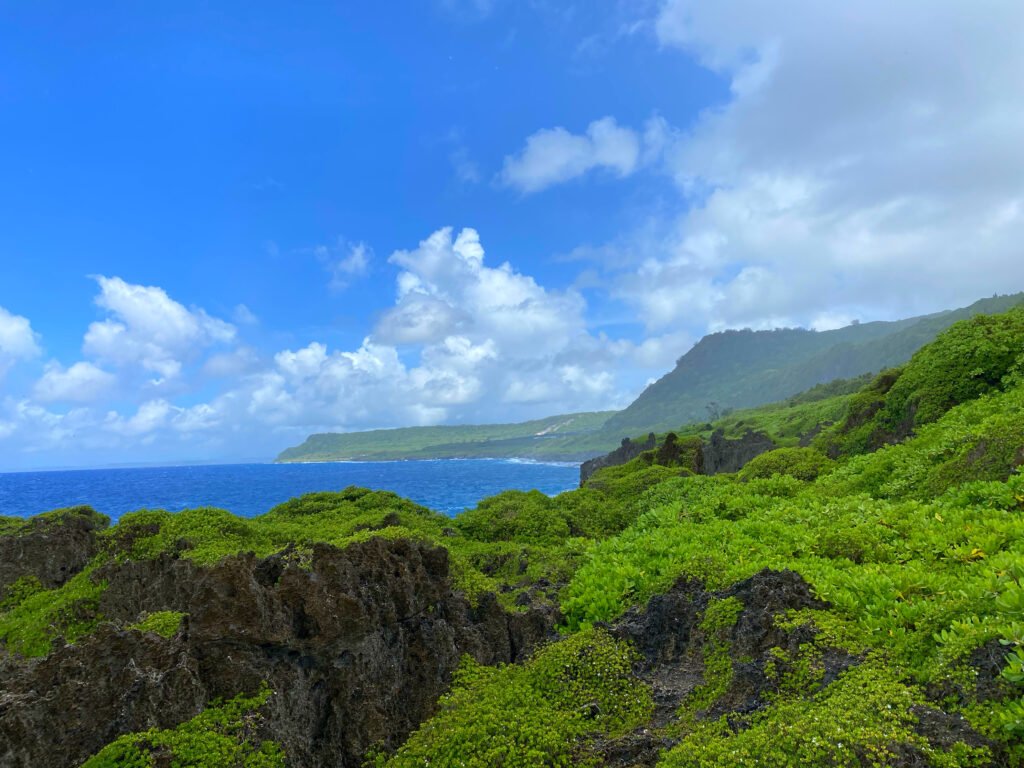
Protecting Guam’s Coral Reefs and Natural Environment
Few natural resources are as important to Guam as its coral reefs.
Coral reefs support marine biodiversity, protect coastlines from erosion, and contribute significantly to the visitor experience. They are home to countless marine species and are central to activities such as snorkeling, diving, fishing, and eco-tourism. Unfortunately, pollution, improper water disposal, and irresponsible recreational activities can place these fragile ecosystems at risk.
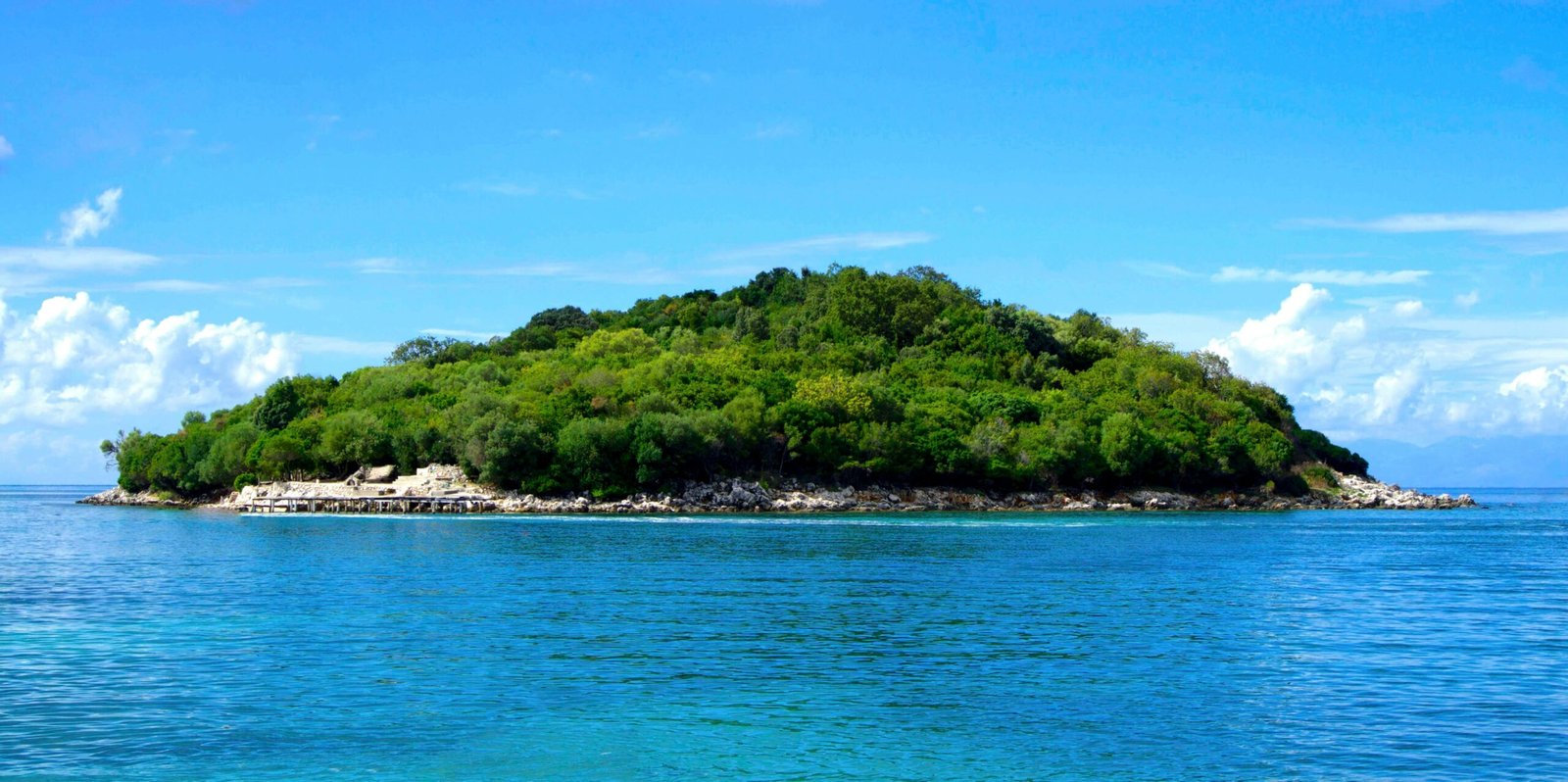
Recognizing the importance of protecting its marine environment, Guam has taken steps to promote more sustainable practices. Marine protected areas help conserve critical habitats, while local organizations, government agencies, schools, and community volunteers regularly organize beach cleanups, reef monitoring programs, and educational campaigns to raise awareness about ocean conservation. Some tour operators and businesses have also begun encouraging the use of reef-safe sunscreen and responsible snorkeling and diving practices to help reduce human impact on coral reefs.
Protecting Guam’s reefs requires a shared effort between residents, businesses, and visitors. Simple actions such as using reef-safe sunscreen, properly disposing of trash, participating in beach cleanups, avoiding contact with coral, and following marine conservation guidelines can make a meaningful difference. As more tourism businesses embrace environmentally responsible practices, visitors are increasingly encouraged to become active participants in protecting the island’s natural resources.
Pollution remains another challenge affecting both residents and visitors. Plastic waste and litter not only impact Guam’s appearance but can also harm marine life, damage coral reefs, and threaten coastal ecosystems. Reducing single-use plastics, properly disposing of waste, and participating in community cleanup efforts are small but meaningful ways everyone can contribute to a cleaner island.
Sustainable tourism encourages everyone to view environmental stewardship as a collective responsibility rather than solely a visitor issue. By working together— through conservation initiatives, responsible business practices, and mindful travel choices— Guam can continue protecting the natural environments that make the island one of the Pacific’s most treasured destinations for generations to come.
Respecting Hiking Trails, Wildlife, and Sacred Spaces
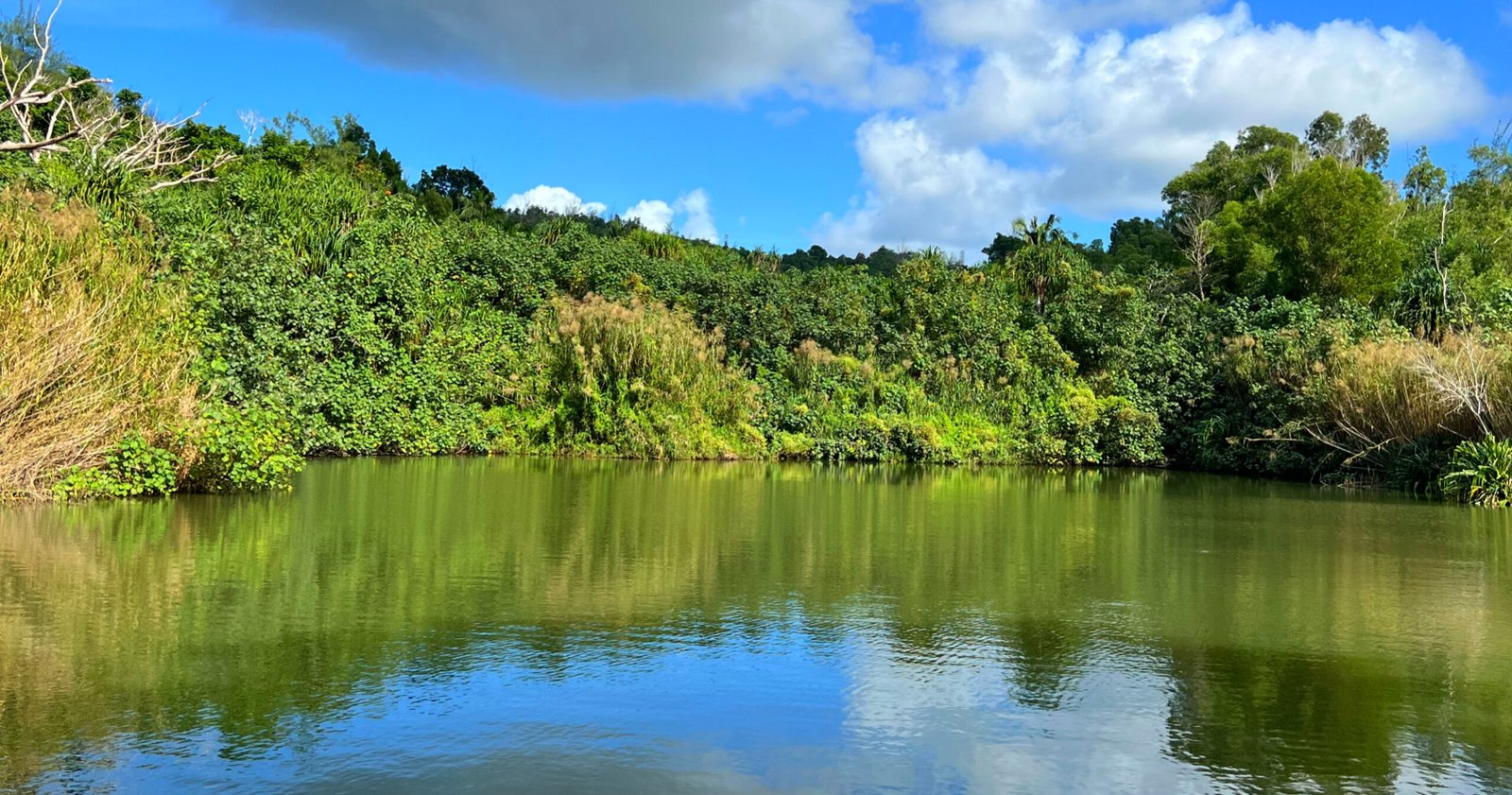
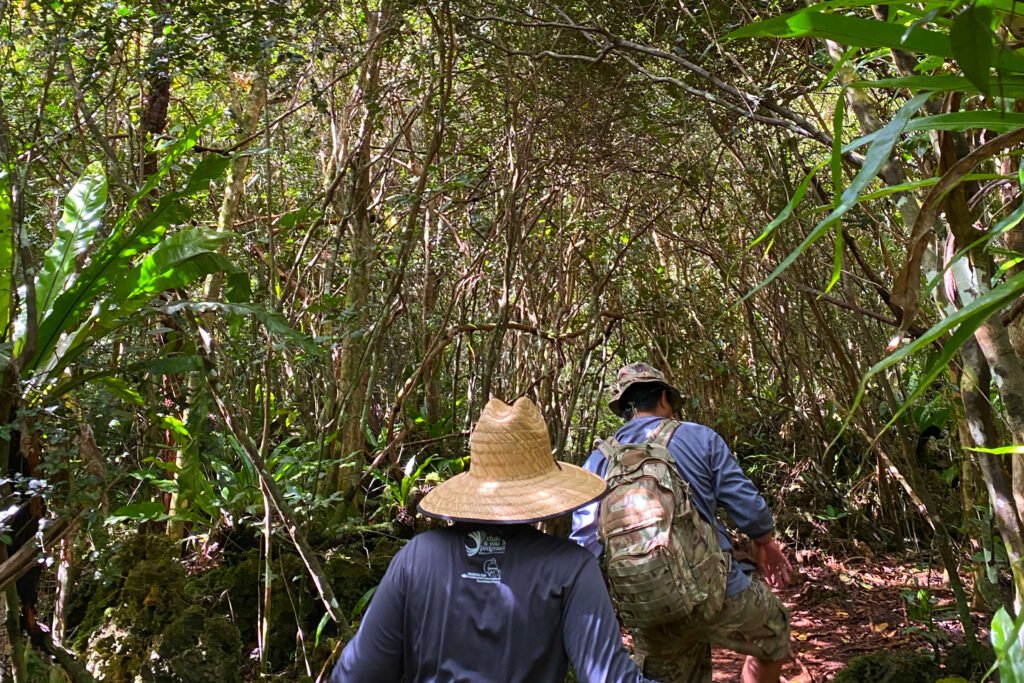
Guam’s hiking trails and natural areas have become increasingly popular among both visitors and residents. While outdoor recreation offers opportunities to experience the island’s beauty, it also requires responsibility.
Staying on designated trails, avoiding damage to vegetation, respecting wildlife, and packing out trash are important practices that help preserve natural spaces.
Equally important is understanding that some locations may hold cultural, historical, or personal significance. Visitors should avoid disturbing items found in nature and recognize that not everything encountered on a trail is meant to be treated as a curiosity or souvenir.
Greater awareness and education can help ensure that Guam’s outdoor spaces remain protected and respected for generations to come.
Supporting Local Businesses, Farmers, and Fishermen
One of the most impactful ways to practice sustainable tourism in Guam is by supporting local businesses.
When visitors choose locally owned restaurants, tour operators, shops, markets, and accommodations, more tourism revenue stays within the island’s economy. This creates opportunities for entrepreneurs, strengthens communities, and supports local job creation.
Local farmers and fishermen also play an important role in Guam’s tourism ecosystem. Purchasing locally sourced products helps reduce dependence on imports while supporting industries that have long been part of Guam’s culture and economy.
Sustainable tourism is not only about environmental protection— it is also about building economic resilience and ensuring that tourism benefits a broad range of community members.
Positive Examples of Sustainable Tourism in Guam
While there is still progress to be made, Guam is already taking meaningful steps towards a more sustainable tourism industry. Across the island, businesses, organizations, and community groups are finding ways to balance economic growth with environmental stewardship and cultural preservation.
Many tour operators have expanded beyond traditional Tumon attractions by offering guided hikes, cultural experiences, southern island excursions, and eco-tours that encourage visitors to explore more of Guam while supporting local communities. Hotels and resorts are also increasingly promoting island-wide experiences, helping distribute tourism more evenly and introducing travelers to local restaurants, historical sites, and village attractions.
Cultural sustainability continues to play an important role as well. Village festivals, farmers markets, museums, and cultural tours allow visitors to experience CHamoru traditions while supporting local artisans, small businesses, and community organizations. These experiences help preserve Guam’s heritage while creating meaningful connections between visitors and residents.
Environmental conservation efforts are also becoming a larger part of Guam’s tourism landscape. Beach cleanups, coral reef monitoring, marine protected areas, educational programs, and conservation initiatives led by government agencies, nonprofit organizations, schools, businesses, and volunteers demonstrate the island’s ongoing commitment to protecting its natural resources. Many tourism businesses now encourage environmentally responsible practices, such as using reef-safe sunscreen, reducing waste, and respecting marine ecosystems.
Together, these efforts show that sustainable tourism on Guam is not just about protecting the island— it’s about creating a tourism model that benefits everyone. By supporting local businesses, preserving CHamoru culture, protecting the environment, and encouraging responsible travel, Guam is building a more resilient tourism industry that visitors and residents can continue to enjoy for generations to come.
How Visitors Can Travel More Sustainably on Guam
Travelers can support sustainable tourism on Guam by:
- Supporting locally owned businesses whenever possible
- Respecting cultural sites and community traditions
- Using reusable water bottles, bags, and reducing single-use plastics
- Properly disposing of waste and participating in cleanup efforts
- Using reef-safe sunscreen
- Staying on designated hiking trails
- Learning about CHamoru culture before and during their visit
- Exploring villages and attractions beyond Tumon
- Choosing responsible tour operators that prioritize environmental stewardship
Small actions can collectively create a significant positive impact.
Looking Ahead: Building a Sustainable Future for Guam
The future of Guam’s tourism industry depends on balancing growth with responsibility.
As the island continues to welcome visitors from neighboring islands, Asia, and beyond, sustainable tourism offers a path forward that benefits businesses, communities, and the environment alike. By protecting natural resources, preserving cultural traditions, supporting local enterprises, and educating travelers, Guam can continue to grow as a destination while maintaining the qualities that make it unique.
Sustainable tourism on Guam is not about limiting travel. It is about ensuring that tourism strengthens the island rather than diminishes it. When visitors, businesses, and residents work together, tourism can become a force that supports both economic opportunity and long-term stewardship of Guåhan.