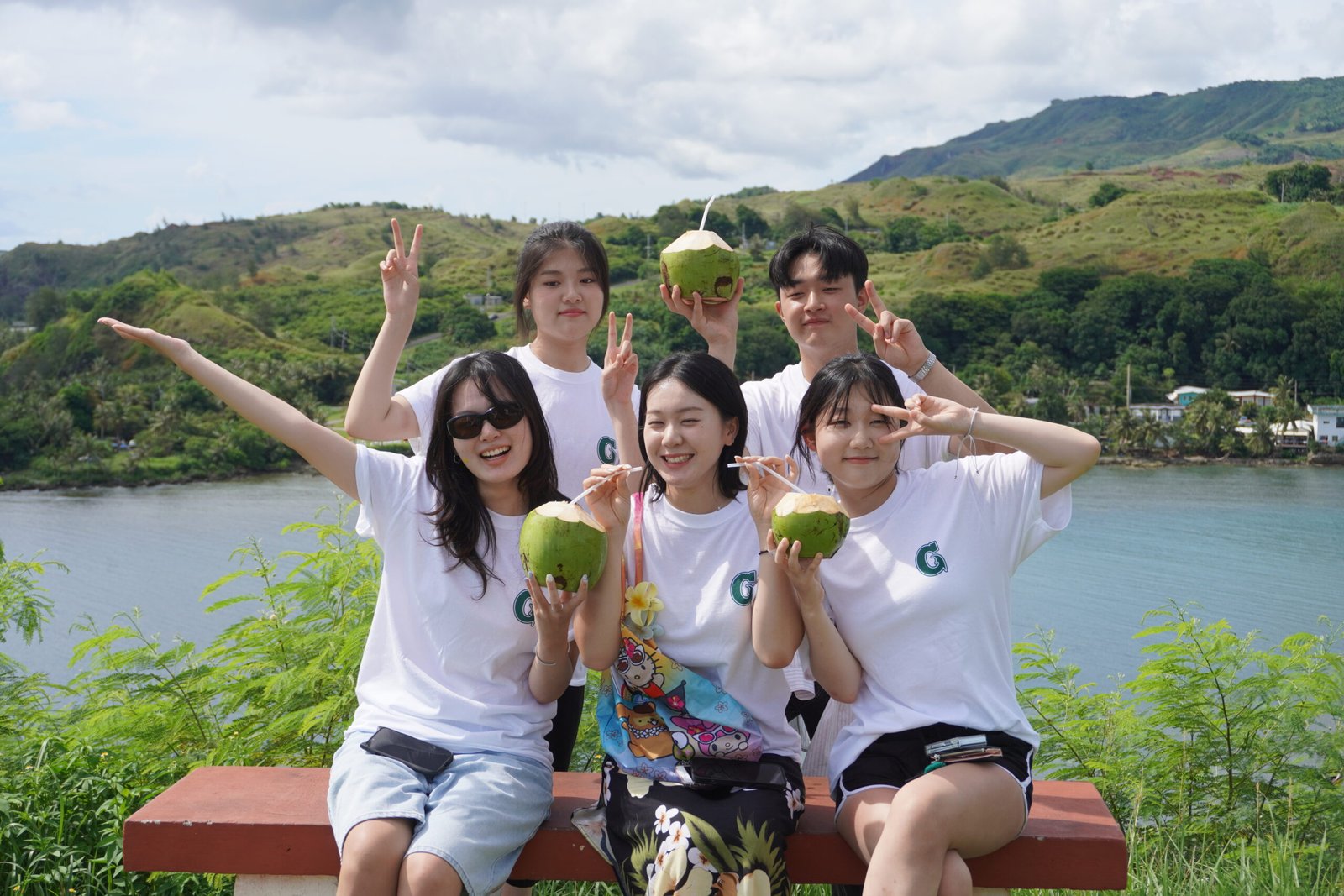
A group of Japanese university students sat together on the University of Guam campus, talking about their experiences on Guam.
They had come to Guam to practice English and experience studying abroad, but their visit also offered a firsthand look at education tourism in Guam—where learning extends beyond the classroom and into the island’s culture, communities, businesses, and tourism experiences.
Some questions were easier to answer than others. At times, finding the right English words took a little extra explanation, but the students remained eager to participate, smiling and laughing as they shared what they learned, the friends they had made, and the places they had visited.
They had come to Guam to practice English and experience studying abroad. But during their time on the island, their education extended far beyond the classroom
They visited local attractions, experienced CHamoru culture, interacted with UOG students and residents, explored businesses, ate local foods, and began thinking about returning to Guam in the future.
Their experience is an example of how education tourism can connect learning with travel—and how the University of Guam’s Global Learning & Engagement (GLE) program is helping create those connections.
When Learning Becomes Travel
Education tourism involves traveling for the purpose of learning, intellectual growth, and developing new skills. While traditional tourism may center around sightseeing and recreation, education tourism combines those experiences with an educational purpose.
For international students participating in UOG’s GLE program, the two often overlap.
GLE offers programs that bring students from different countries to Guam to improve their English while experiencing the island’s culture, community, and environment.
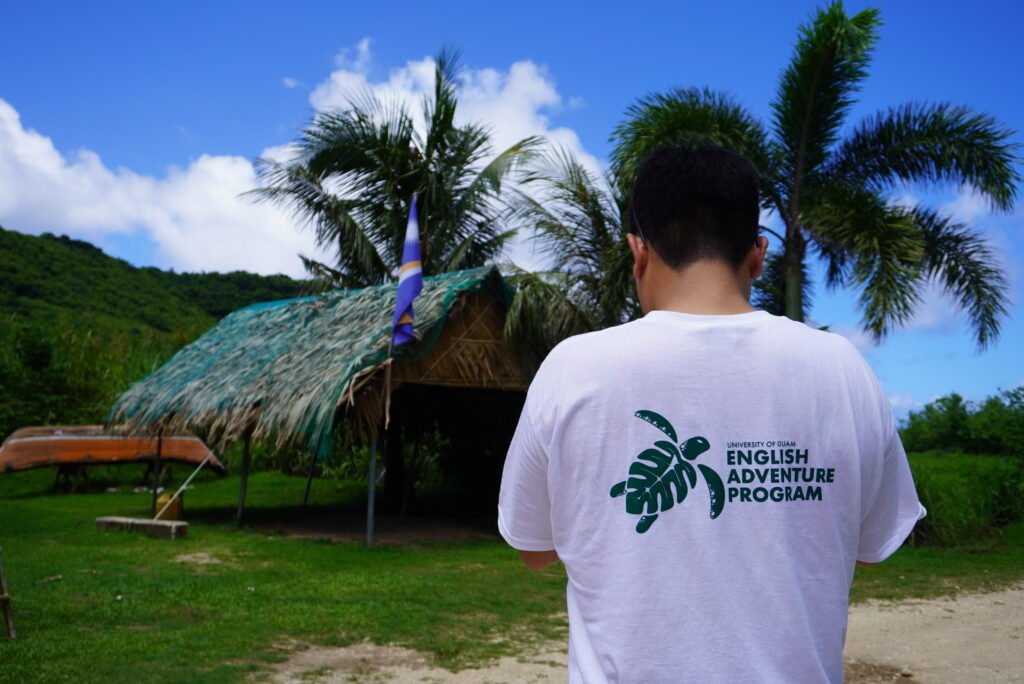
GLE provides two programs that include different types of international education experiences: the English Adventure Program (EAP) and the English Learning Institute (ELI).
The EAP is the shorter-term option, with programs ranging from a few hours to several weeks. Depending on the group and its goals, students may participate in English classes, campus tours, cultural activities, field trips, and island tours.
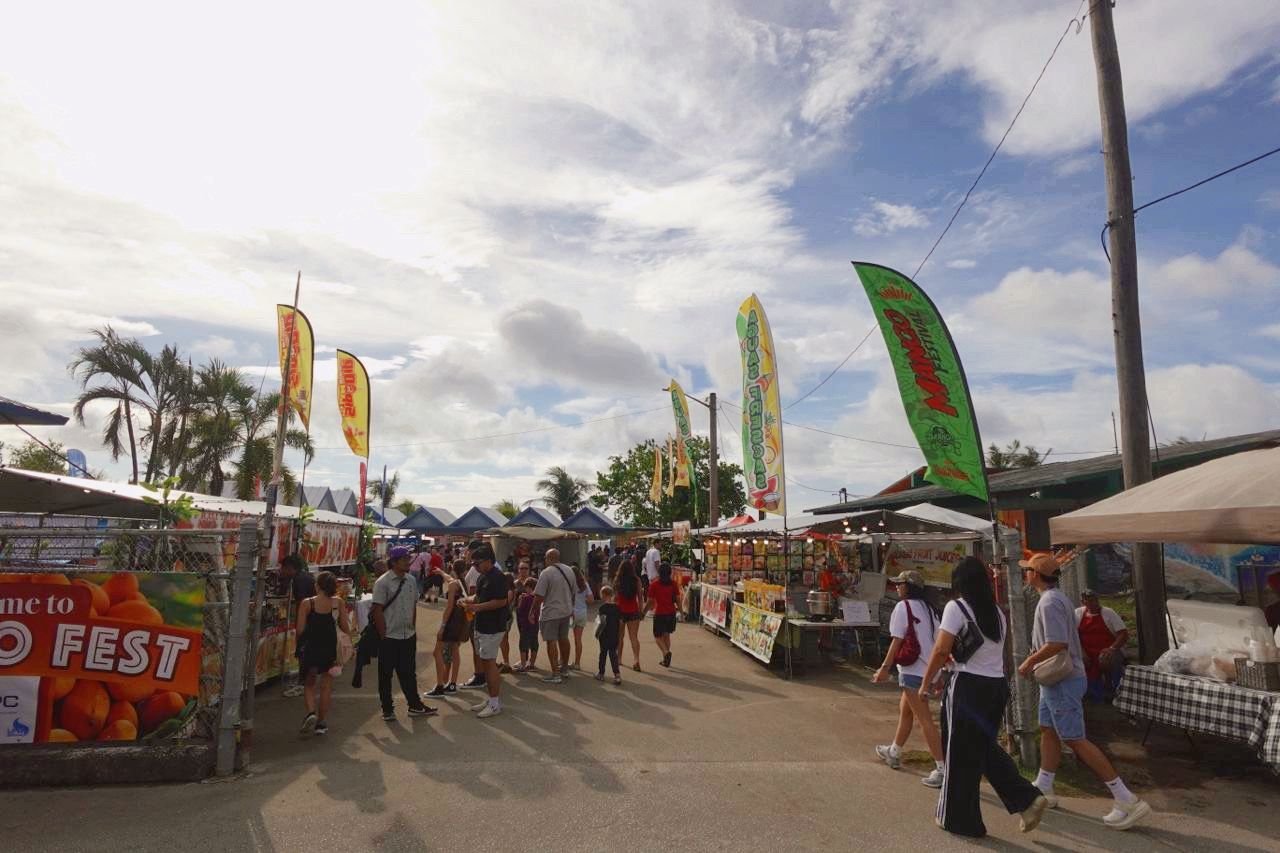
Longer EAP programs can include full days of English classes from 9 a.m. to 3 p.m., followed by activities around the island. Students may visit the Valley of the Latte, Inarajan Pools, Chamorro Village, museums, beaches, and other cultural and tourism sites.
The program is also highly customizable. International schools can provide GLE with suggestions about what they want their students to see, experience, or learn, and GLE coordinates activities around those goals
This flexibility allows students to experience Guam while practicing English in real-world situations. An afternoon might involve playing sports with UOG students, visiting local businesses, or exploring a cultural attraction. Rather than simply learning about Guam from a classroom, students are given the opportunity to interact with the island and its people.
But GLE’s international education opportunities extend beyond these short-term visits.
A Longer Path Through the English Learning Institute
The English Learning Institute (ELI) provides a longer and more intensive English-learning experience for international students.
Unlike the short-term EAP, ELI can last an entire semester—approximately four to five months—or longer. According to Tamara Hayashi, who works with UOG’s GLE program, the longest a student has remained in the program is two years.
Students entering ELI have their English assessed and are placed into one of three levels: beginner, intermediate, or advanced. The program is designed to provide more focused instruction for students who want to develop their English-speaking abilities over a longer period of time.
The students who participate also come from a wide range of backgrounds.
GLE has worked with students from Japan, Korea, the Philippines, Taiwan, China, Russia, India, Vietnam, and other countries. Their reasons for studying English can be just as diverse. Some want to strengthen their basic communication skills, while others want to develop more advanced English abilities that can create opportunities for their education or future careers, including learning specialized business terminology.
The program has also attracted students across a wide range of ages, from younger students to adults. Hayashi recalled one Japanese student who was 84 years old when he participated in the program, demonstrating that the desire to learn and communicate across cultures is not limited to a particular age.
Currently, ELI is a much smaller program than EAP, with a small group of international students studying at UOG. The smaller size can provide a more intimate learning environment, allowing instructors to give students more individualized attention.
From Learning English to Studying at UOG
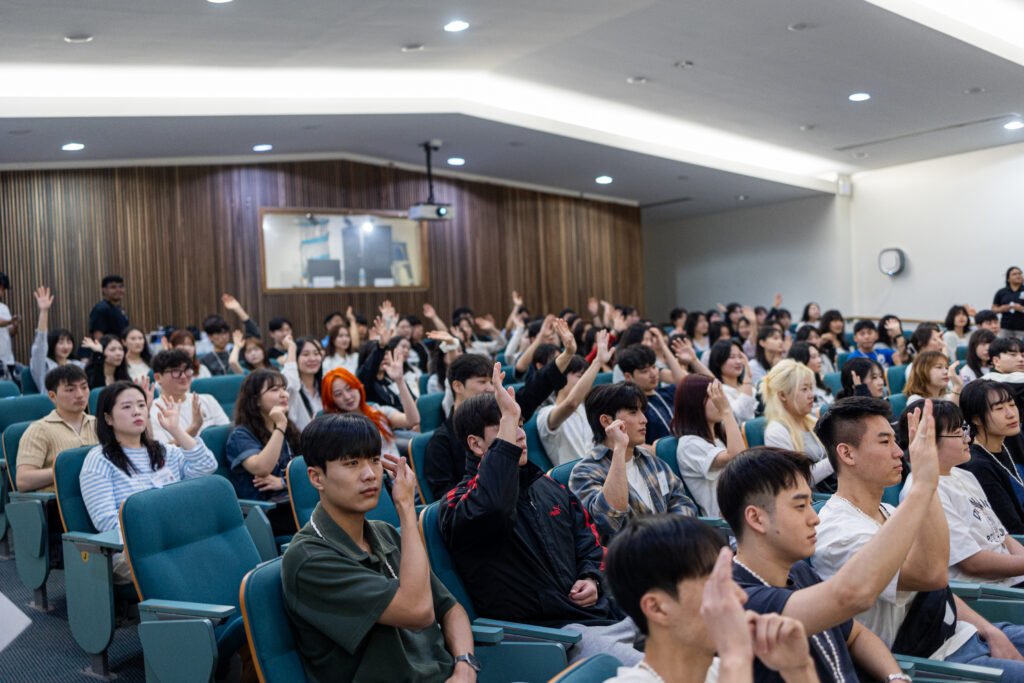
For UOG, ELI can also serve as a potential pathway into the university itself.
One of the program’s goals is to encourage international students who have spent time improving their English at UOG to eventually pursue undergraduate education at the university.
For students who may not initially feel confident studying in an English-speaking academic environment, ELI can provide an opportunity to develop the language skills they need before entering a degree program.
That pathway is already beginning to happen.
Hayashi shared that two to three international students who previously participated in ELI have gone on to enroll in undergraduate programs at UOG.
This creates another dimension to education tourism.
In that sense, education tourism can become a starting point for a much longer relationship between a student and Guam.
The student is no longer simply visiting the island. They may eventually live here, study here, develop relationships with local students and residents, and become part of the university community.
Learning English as a Connection
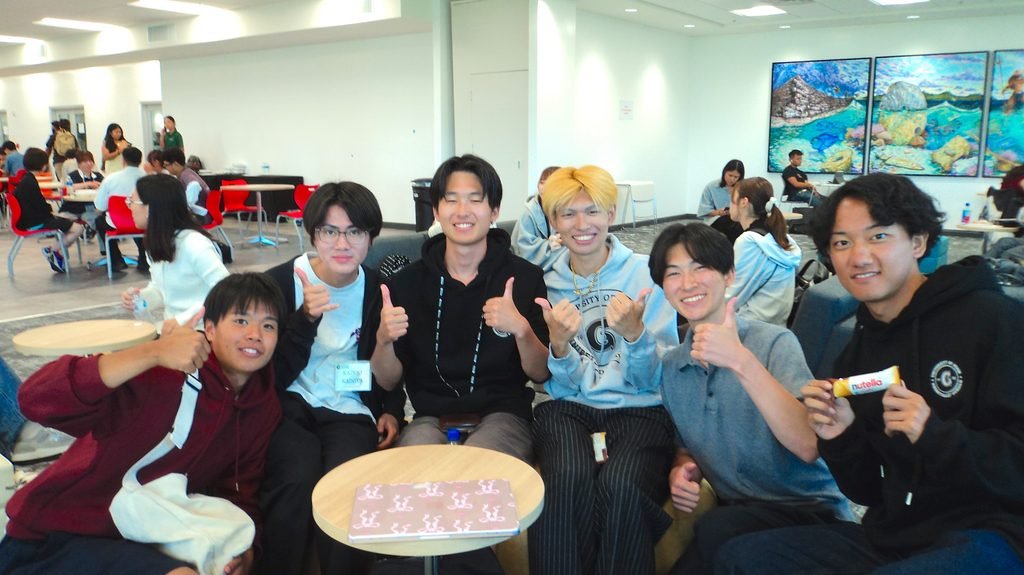
Across both programs, one of GLE’s central goals is not necessarily to make students completely fluent in English during their stay, but to help them become more confident using the language.
Students are encouraged to speak even when they make mistakes or mispronounce words. The experience is designed to make English feel less intimidating and more useful as a way to communicate with people from different backgrounds.
This was noticeable while speaking with students from Okayama University in Japan who participated in the program.
The students explained that English education in Japan tends to focus more heavily on textbooks and writing. Their experience in Guam felt more active, allowing them to practice speaking English, give presentations, participate in group activities, and communicate directly with UOG students.
For them, English became something they could actively use.
This is an important distinction in GLE’s approach. Rather than viewing English as another required subject, students are given opportunities to experience how language can help them communicate, make friends, navigate unfamiliar places, and connect with people from different cultures.
And when that learning takes place on an island like Guam, the education naturally extends beyond the classroom.
Discovering Guam Through Experience
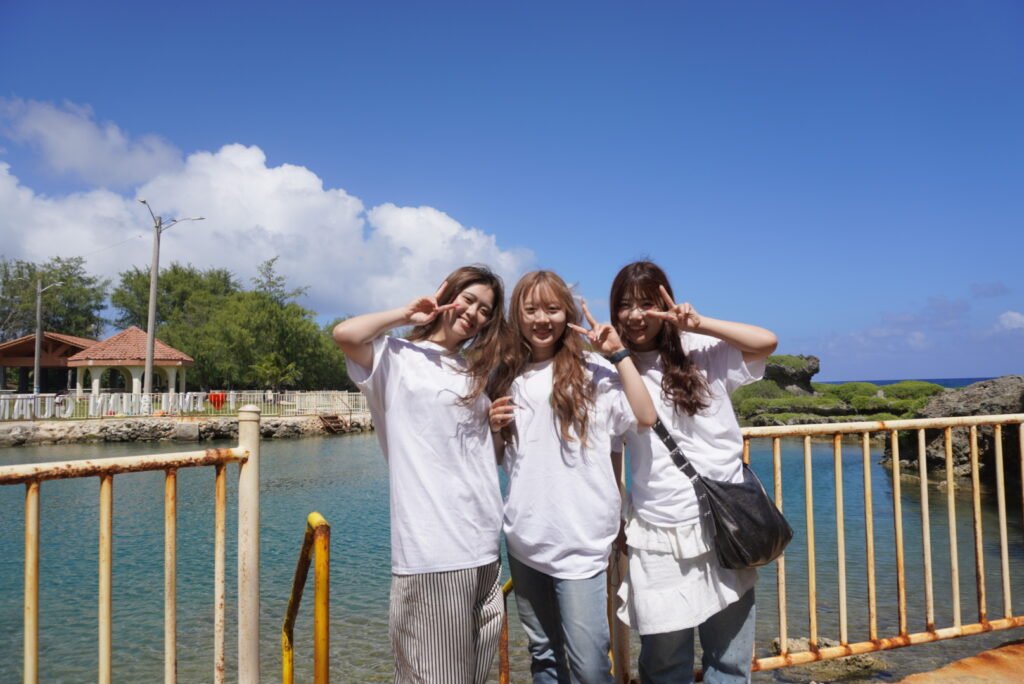
While English is an important part of the program, Guam itself becomes part of what students learn.
GLE organizes field trips and activities based on the interests and educational goals of each group. Students have visited cultural sites, museums, tourist attractions, businesses, and areas throughout the island.
Some university groups also incorporate their academic interests into their experiences.
Hospitality students may visit hotels such as Hyatt Regency Guam or Pacific Islands Club Guam. Technology students can incorporate local technology companies into their learning, while accounting students may visit accounting firms. Groups can also visit different academic schools at UOG related to their fields of study.
These experiences allow students to see how what they study connects to real organizations and industries.
For some groups, learning about Guam’s history is also an important part of their visit. Japanese university students have visited the Guam Visitors Bureau and the Japanese Consulate and participated in lectures about Guam’s history and colonization.
In other words, students are not simply being shown Guam’s popular tourist attractions. They are being introduced to different sides of the island.
Experiencing the Håfa Adai Spirit
For many international students, one of the most memorable parts of Guam is not necessarily a particular attraction. It is the people.
Hayashi explained that when she first came to Guam, she immediately noticed the island’s beaches and natural beauty. After spending more time here, however, she came to appreciate the friendliness and welcoming nature of the people of Guam.
International students, particularly those coming from large cities such as Tokyo and Seoul, can have a similar experience.
The warmth of residents, teachers, and UOG students becomes part of their understanding of Guam.
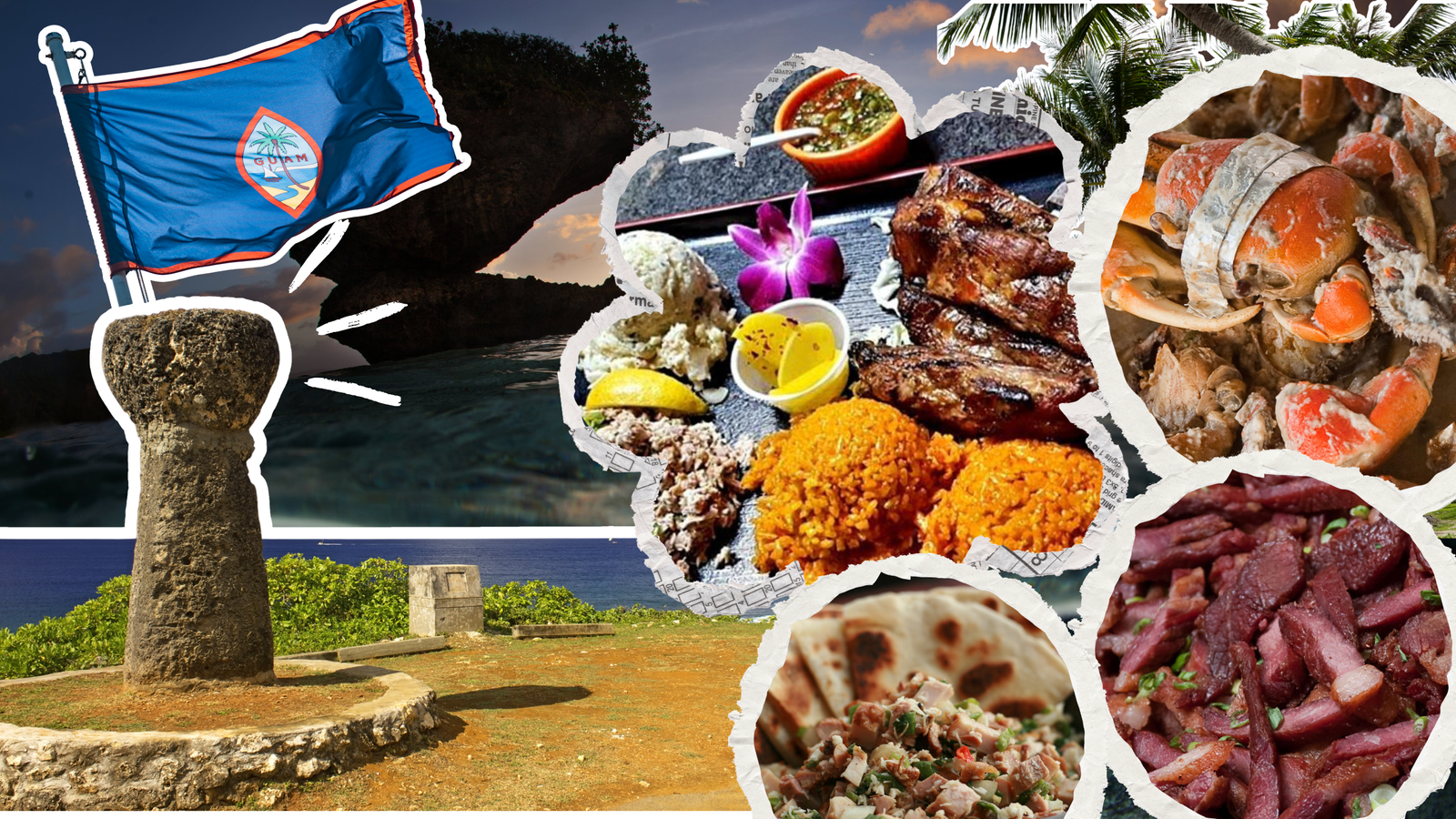
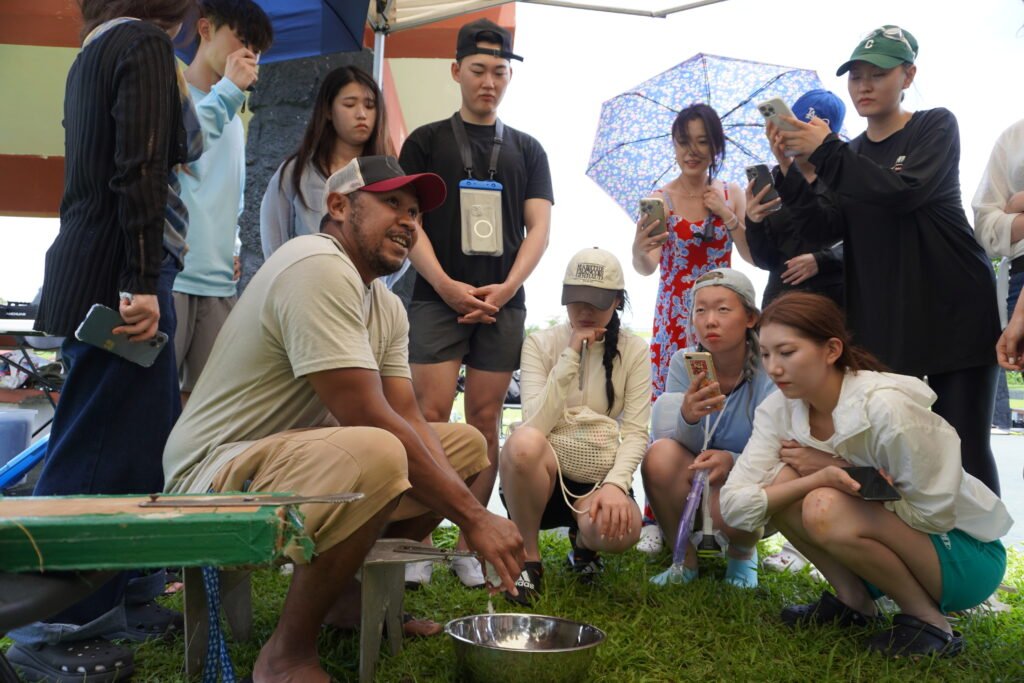
Many GLE instructors are CHamoru and incorporate local culture into their students’ experiences. Students may be introduced to foods such as chicken kelaguen and empanadas, while cultural activities give them opportunities to learn about Guam through hands-on experiences.
The Okayama University students, for example, learned about CHamoru culture through conversations with UOG students. They learned local slang and respectful expressions and participated in a cultural activity where they learned to weave leaves into a fish.
These experiences give students an opportunity to learn about Guam in ways that cannot be replicated entirely through a textbook.
They experience the culture through food, conversations, activities, and interactions with the community.
That is where the Håfa Adai spirit becomes part of their education.
Cultural Exchange Goes Both Ways
Education tourism is often described from the perspective of the visitor.
International students come to Guam, learn English, and experience the island.
But GLE creates opportunities for the exchange to work in both directions.
UOG students interact with international students, allowing them to learn about cultures such as those of Japan and Korea while developing their own intercultural communication skills.
The friendships that form can extend beyond the program.
Some UOG students have even traveled to the home countries of international friends they have met through GLE.
For international students, those relationships can make their experience on Guam feel more personal.
The Okayama University students shared that they made friends with UOG students and talked about their interests and hobbies. One student shared her involvement in awa odori, a traditional dance from Tokushima, while other students connected over their shared interests such as Japanese actors and anime.
These interactions demonstrate that international education does not have to be a one-sided experience where visitors simply learn about their destination. It can be an exchange where everyone involved learns something new.
From Students to Tourists
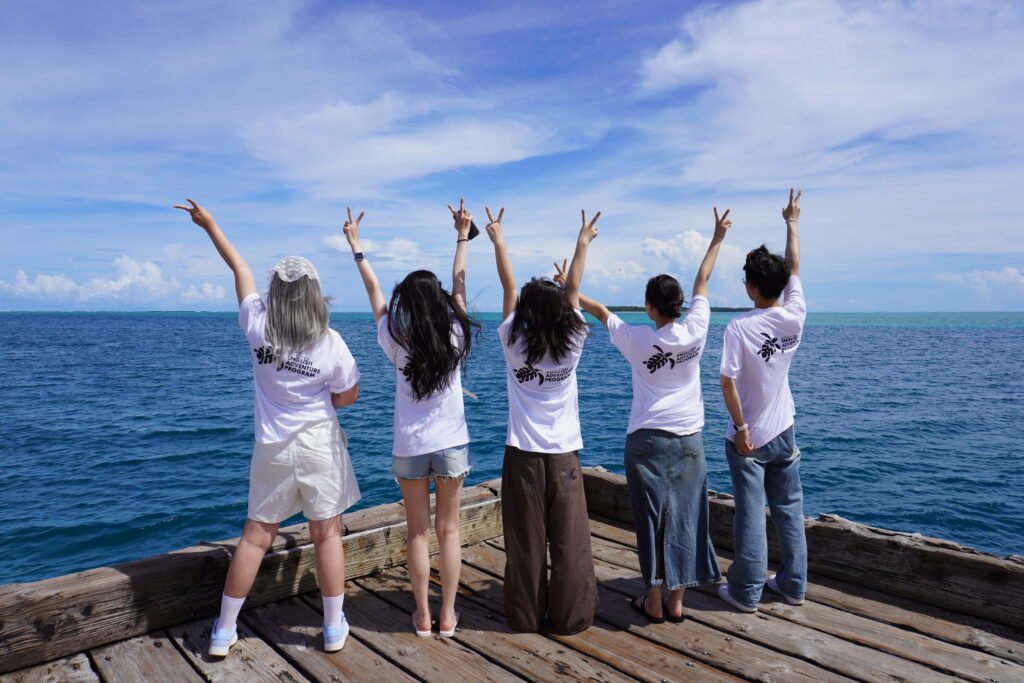
Although students may initially arrive in Guam for an educational program, many eventually begin exploring the island like tourists.
After classes, students may eat at restaurants, shop, visit attractions, or explore Guam with new friends.
GLE encourages students to explore the island during their free time, whether through taxis, transportation services, or UOG friends who can show them around.
For the Okayama University students, their experience had already extended beyond the scheduled program.
They spoke positively about Guam’s beaches, weather, food, and the kindness of the people they met. They particularly enjoyed visiting Pacific Islands Club Guam during a field trip, participating in cultural activities, and having opportunities to practice English with UOG students.
They were also preparing to take a little piece of Guam home.
The students planned to bring back Guam-themed clothing, keychains, chocolates, cookies, stickers, and other souvenirs. They also mentioned wanting to bring home banana chips. They had already spent money during their stay, but their connection to Guam was not ending with their trip.
The students said they hoped to return to Guam in the future, potentially as tourists, and planned to encourage younger students at their university to participate in the program.
When Education Tourism Creates Future Visitors
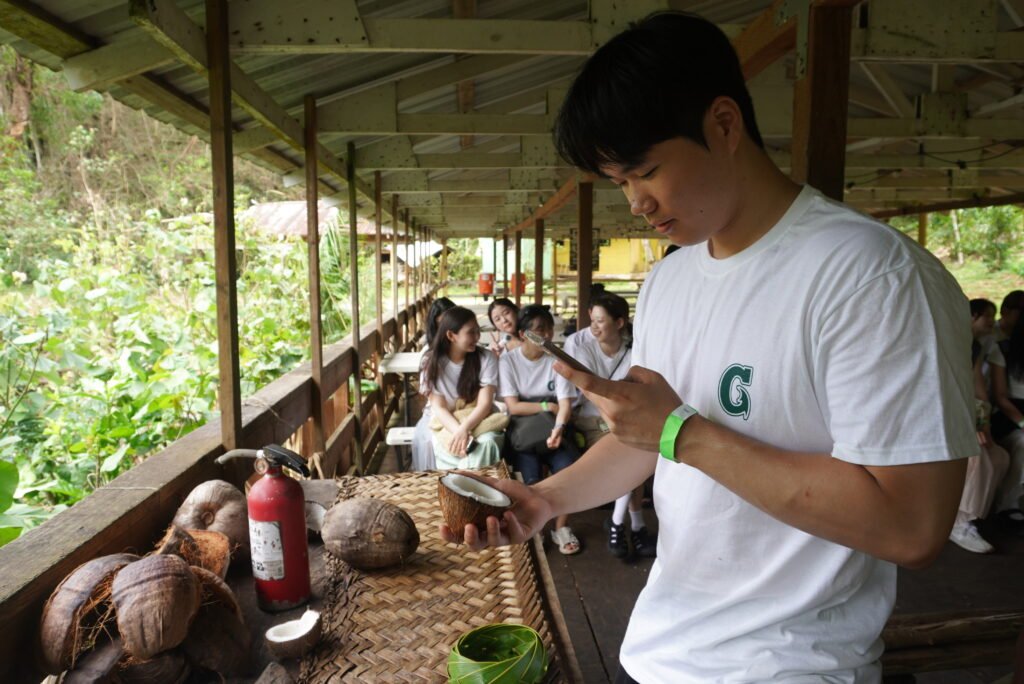
This potential for return visits is one of the most interesting connections between education and tourism.
A student may initially come to Guam because of an English program. But after experiencing the island, they may develop a desire to return, see places they missed, or bring their family and friends.
Hayashi has seen this happen.
Some Korean students who previously participated in GLE have returned years later as chaperones for younger students participating in the program. Other former students have returned with family or friends who had never visited Guam before.
In this way, an educational experience can become an introduction to Guam’s tourism industry.
Students take their memories home, talk about their experiences with friends and family, and share what they discovered about the island.
The visitor may leave Guam, but the relationship with the destination does not necessarily end.
An Economic Connection to Guam
Education tourism can also create economic activity throughout the island.
International students need accommodations, food, transportation, shopping, tours, and activities during their stay.
Groups that participate in the GLE programs often stay at Guam hotels, including Pacific Islands Club Guam, Hotel Nikko Guam, Guam Plaza Resort, and Rihga Royal Laguna Guam Resort, depending on the group’s size and budget.
Students may also visit restaurants, cafés, attractions, businesses, and other tourism-related establishments.
This creates an opportunity for local businesses to become part of the educational experience while also benefiting from international visitors.
The economic impact can potentially continue after the students return home.
A student who enjoyed Guam may return as a tourist. They may bring their parents, siblings, friends, or classmates. They may recommend Guam to others or share their experiences online and through conversations with people back home.
Education tourism, therefore, has the potential to serve as more than a short-term source of visitors. It can create people who already have a personal connection to Guam.
Guam’s Opportunity in Education Tourism
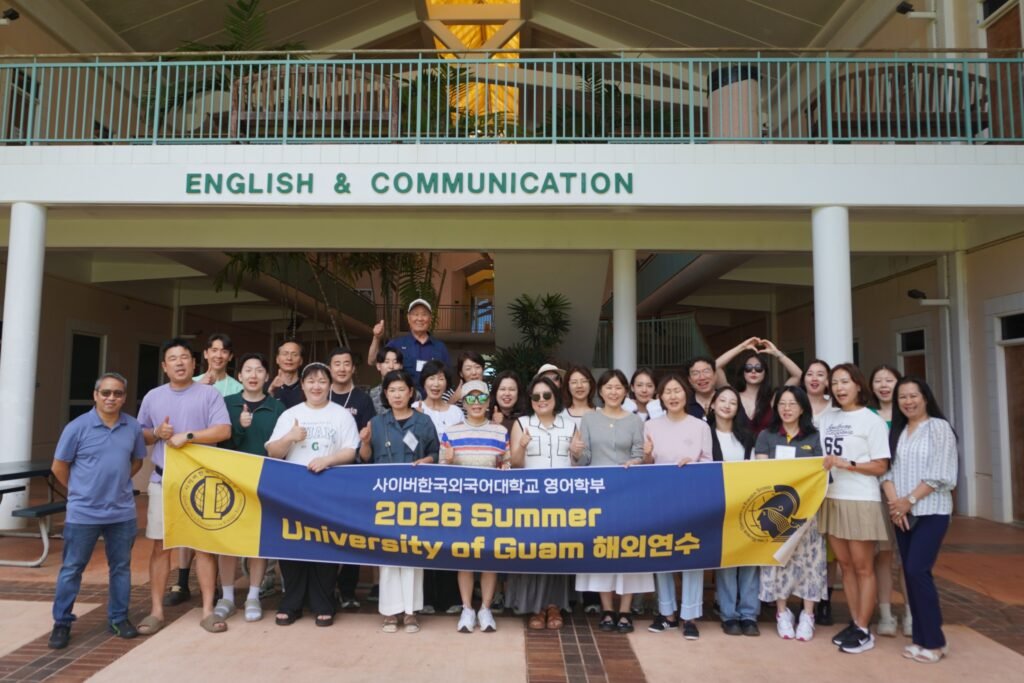
Guam already has several qualities that make it appealing as an education tourism destination.
The island is relatively close to major Asian markets, including Japan and South Korea. It offers an English-speaking environment while also providing a mix of CHamoru, American, and other cultures.
Students can learn English while experiencing beaches, mountains, historical sites, local foods, and community life.
The Guam Visitors Bureau has increasingly recognized this potential.
In 2025, GVB participated in the EDM International Education Fair in Seoul, where Guam was promoted as a destination for both short- and long-term English study. GVB also hosted an educational travel forum in Tokyo that brought together tourism and education representatives to discuss opportunities in Guam.
These efforts suggest that education tourism is already beginning to receive a place within Guam’s broader tourism strategy.
There is still room, however, for greater collaboration and visibility.
Hayashi sees an opportunity for stronger cooperation between GLE and GVB, particularly when promoting Guam in international markets where education tourism could complement existing tourism efforts.
With more awareness of programs like GLE, international students, schools, universities, and families may be more likely to consider Guam not only as a vacation destination, but as a place to learn.
Overcoming the Challenges
Growing education tourism will not come without challenges.
One of the largest is getting students to Guam.
Students from some countries face difficulties obtaining U.S. student visas, including long waits for appointments at U.S. consulates. These challenges can make it difficult for schools and universities to plan international programs.
Cost is another concern.
Airfare, accommodations, transportation, and other expenses can be significant, particularly for students traveling from countries where the U.S. dollar is relatively strong against their local currency.
Transportation within Guam can also be challenging.
Students from cities such as Tokyo and Seoul are accustomed to extensive public transportation systems. Guam’s transportation options are more limited, and arranging transportation for large groups can be expensive.
Infrastructure can also affect the student experience.
Recent typhoons have created challenges for students staying in UOG dormitories, including interruptions to power and water. These experiences highlight the importance of reliable accommodations and infrastructure as Guam continues to develop its position as an international education destination.
Many of these challenges are outside of GLE’s direct control. However, addressing them could make Guam more accessible and attractive to future education travelers.
A Two-Way Door to the World
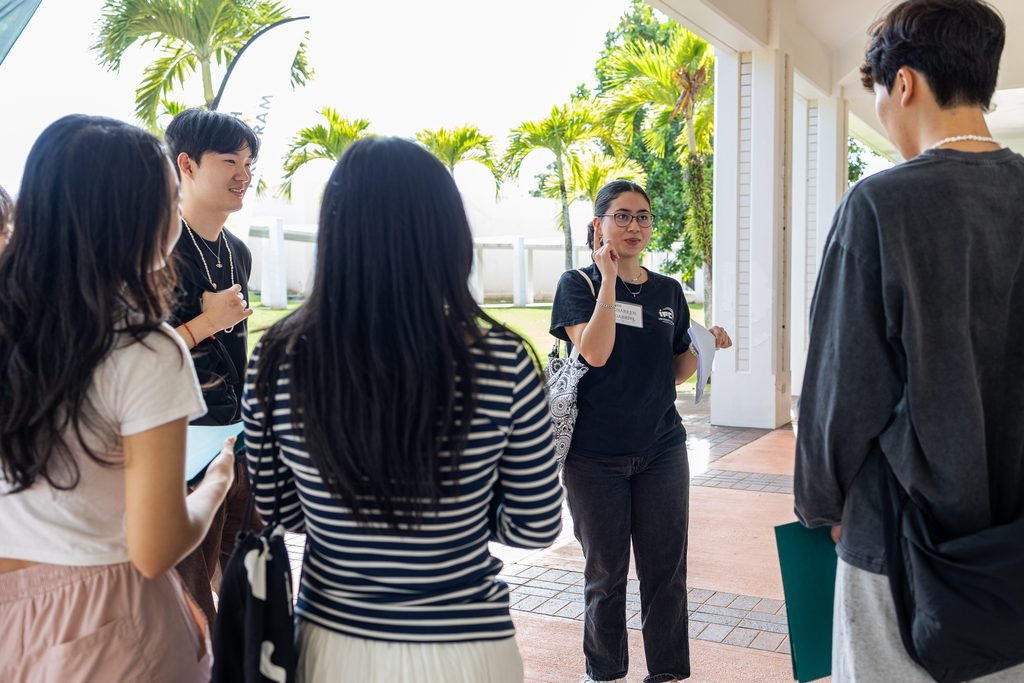
GLE’s work does not end with bringing international students to Guam.
The program also encourages UOG students to gain international experiences themselves.
Through the International Friendship Club, UOG students can volunteer with international students participating in GLE. Those experiences can help them develop intercultural communication and leadership skills.
GLE also provides opportunities for UOG students to study abroad through travel scholarships.
This creates a two-way exchange: international students come to Guam to learn, while UOG students have opportunities to travel abroad and experience other cultures and universities.
Education tourism, then, becomes more than a way of bringing visitors to Guam. It becomes a way of connecting Guam to the world.
Beyond the Classroom
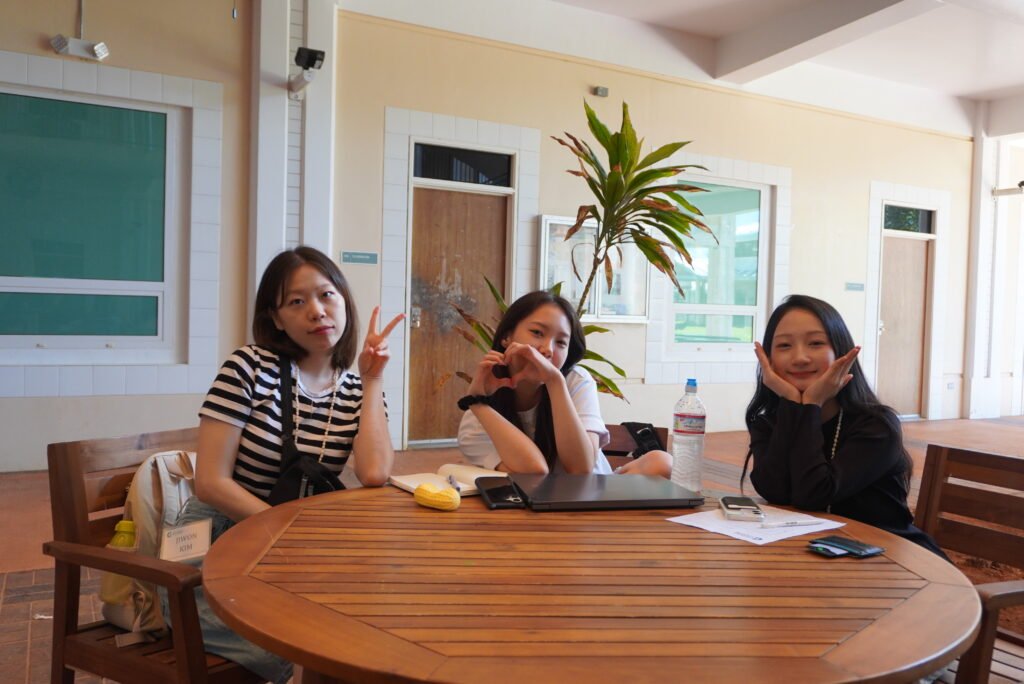
For the students from Okayama University, their time in Guam was about more than improving their English. They experienced a different way of learning.
They practiced conversations with people outside their home country. They learned about CHamoru culture. They made friends with UOG students. They visited local businesses and attractions. They explored Guam, shopped, ate local food, and began thinking about when they could return.
They also left with stories to share.
During the interview, their excitement was visible as they talked about their experiences. Even when communicating in a different language was challenging, they were eager to participate and connect.
And at the end of the conversation, there was a small exchange that seemed fitting for the experience they had just described. After receiving a few American treats, the students offered snacks from Japan in return. It was a simple gesture, but it captured something much larger about international education. The exchange was not one-sided.
They came to Guam to learn English, but they also shared their own culture. They learned about Guam while introducing others to pieces of Japan. They arrived as students and, along the way, became visitors, consumers, friends, and potential future tourists.
For Guam, that may be the greatest opportunity of education tourism. A student who comes to learn can leave with something more lasting than improved language skills. They can leave knowing the people, culture, and stories of the island. And when they return home, they can carry those stories with them.