For many travelers, discovering a new destination no longer begins with a travel brochure or traditional advertisement. It begins with a scroll.
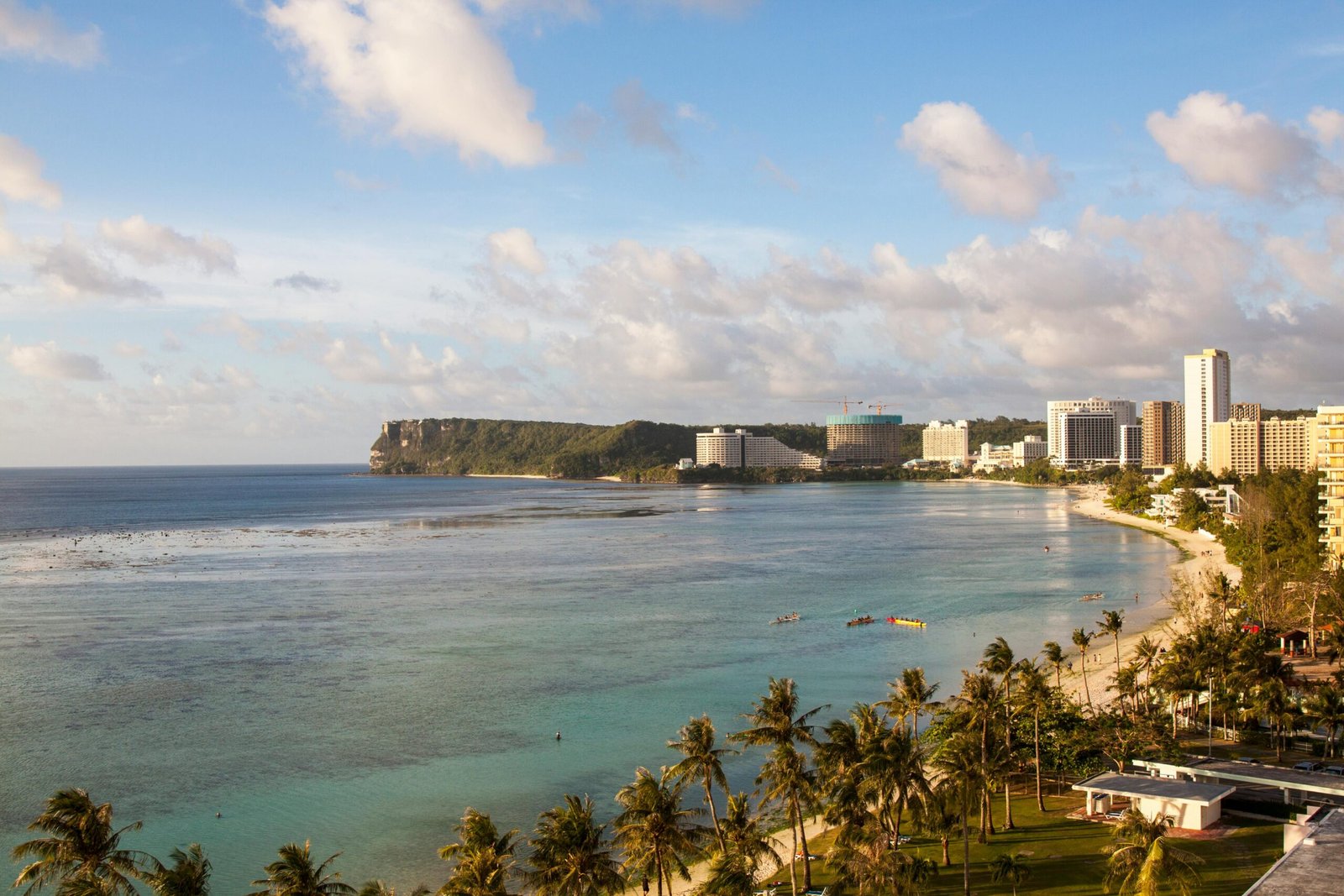
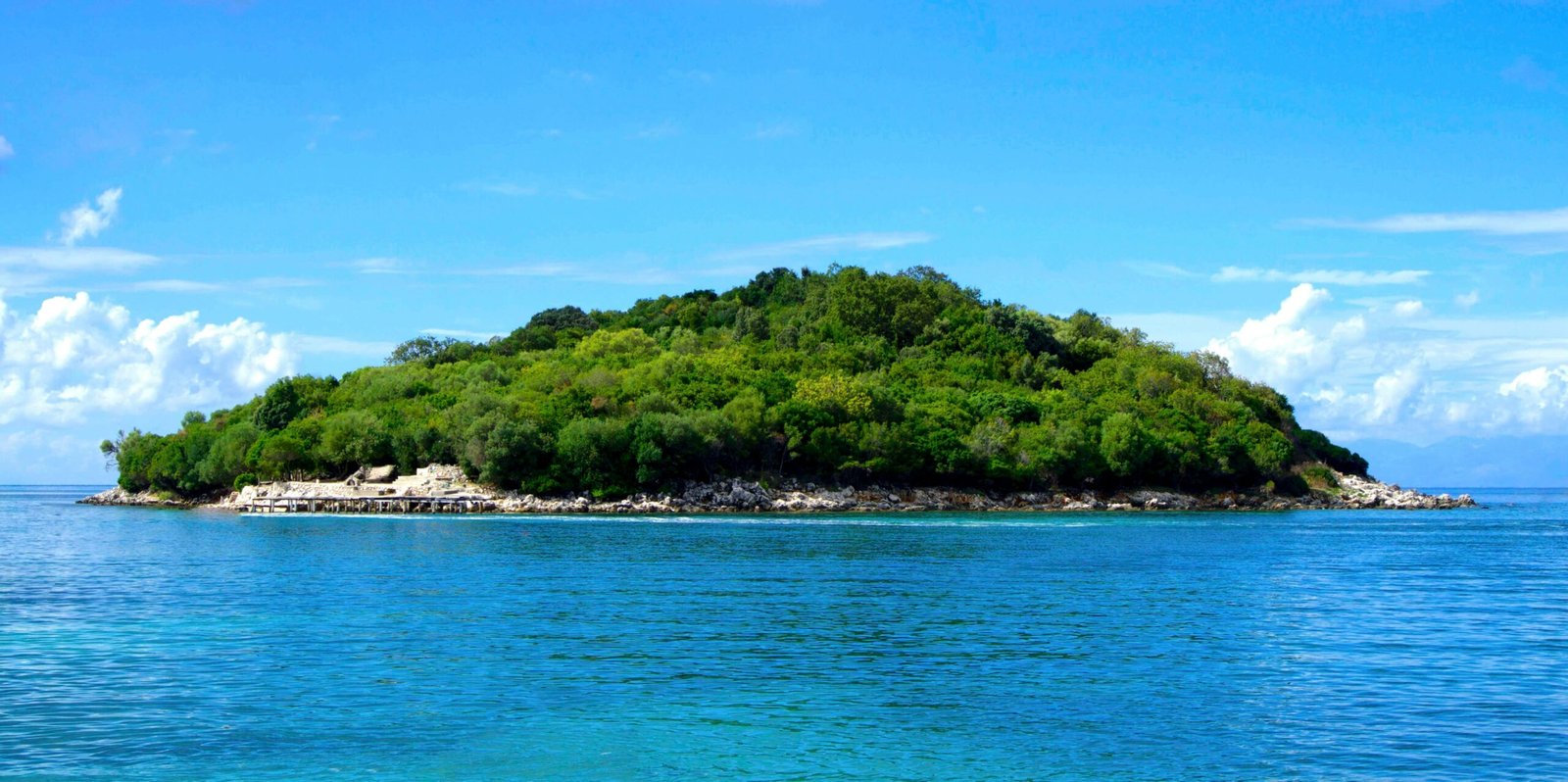
A TikTok showing a local restaurant. An Instagram Reel of Guam’s beautiful scenery. A visitor sharing their experience hiking through the island’s natural landscapes. A local showcasing a small business they love. Within seconds, someone thousands of miles away can catch a glimpse of Guam and perhaps discover a place they had never considered visiting.
In the years following COVID-19, social media has become an increasingly influential part of how people discover, research, and experience destinations. Guam is no exception. As platforms such as TikTok, Instagram, and Facebook continue to influence travel inspiration, the story of Guam is no longer being told solely through tourism organizations or traditional advertising. It is being shaped by locals, visitors, businesses, influencers, and even those who have made Guam their temporary home. Recent Guam Visitors Bureau visitor research found that social media was the top source of travel inspiration among surveyed visitors, highlighting how important digital platforms have become in the destination-planning process.
Every post has the power to shape how the world sees Guam.
From Travel Inspiration to Travel Planning
Social media has become more than a place to share vacation photos after a trip. For many travelers, it is now part of the research process that happens before they ever purchase a ticket.
A person interested in visiting Guam can search TikTok for restaurants, beaches, hiking trails, hotels, activities, events, and places to explore. Instagram can provide similar photos and videos that show what an experience looks like in real life, while Facebook continues to connect people with local businesses, events, and community information.
This has given potential visitors more immediate insight and access to what Guam has to offer.
It has also changed how people discover local businesses. Some of Guam’s restaurants, cafes, shops, and other businesses can become known not only because they advertise themselves, but because someone else decided to share their experience.
A visitor might post a video of a meal. A local might recommend a new cafe. Someone might share photos from a small boutique or a local event. That single post can introduce a business to people who may have otherwise never known it existed.
In a way, social media has become a form of digital word-of-mouth.
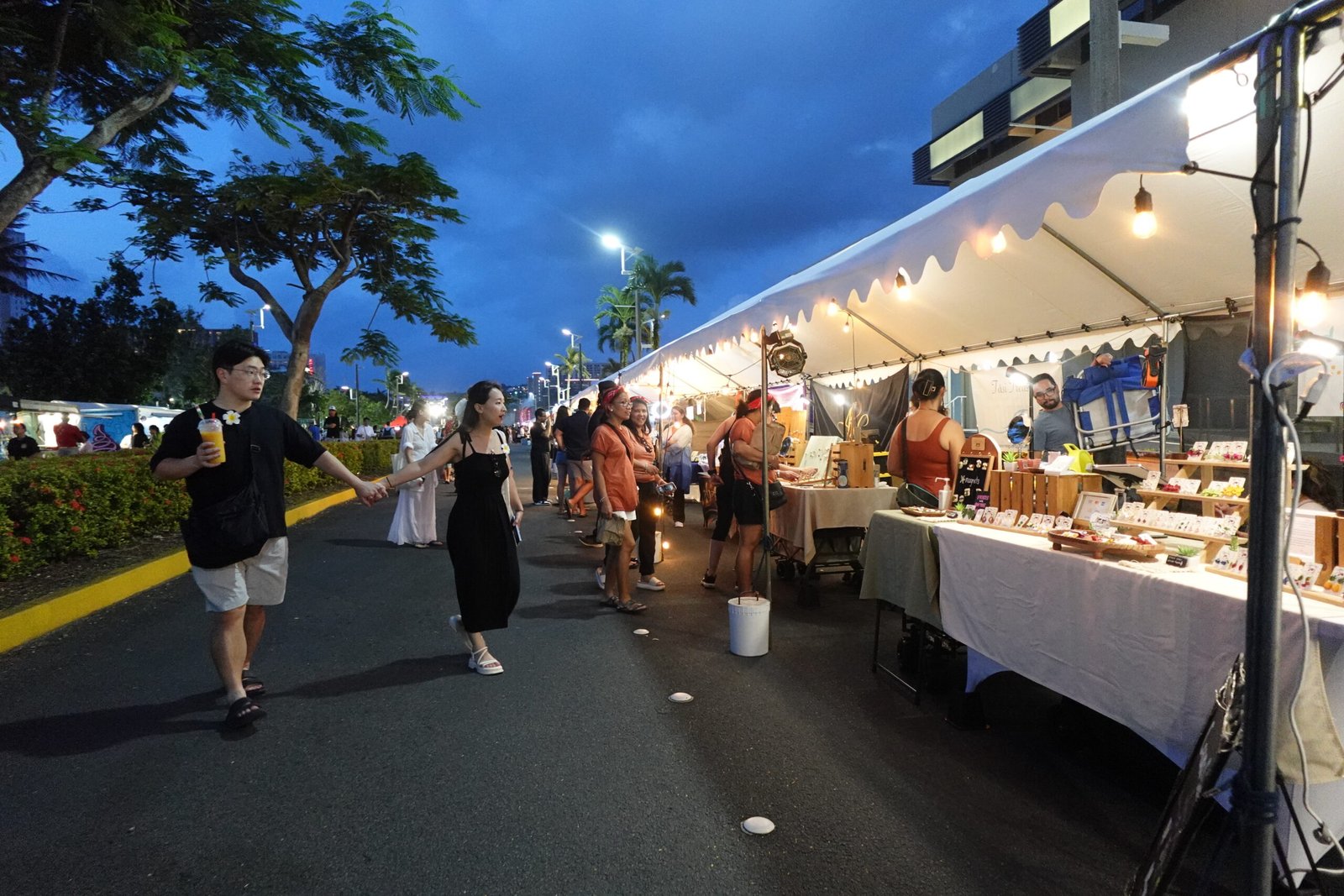
For smaller and newer businesses, this can be especially valuable. They may not have the same advertising resources or visibility as larger companies, hotels, or resorts, but social media gives them an opportunity to build their own identity and connect directly with potential customers. This is especially evident when visitors discover local businesses and markets through social media.
A business can show more than what it sells. It can show its atmosphere, personality, people, products, and the experience customers can expect when they walk through the door.
Local Businesses and Social Media Marketing
The relationship between social media and tourism extends beyond attracting visitors to Guam. It can also influence where visitors choose to spend their money once they arrive.
Many local businesses have become more active on social media, using platforms such as Instagram, TikTok, and Facebook to showcase their products, services, and personalities. A restaurant can introduce a new dish through a short video. A boutique can show its latest arrivals. A cafe can give potential customers a glimpse of its atmosphere before they ever visit.
But businesses are not the only ones promoting themselves.
Locals and visitors have become an important part of the process. Someone sharing a meal at a restaurant, posting a video from a new shop, or recommending a favorite cafe can introduce that business to an entirely new audience.
Social media allows businesses to develop an identity of their own and build relationships with both residents and visitors.
In this way, social media marketing becomes more than advertising. It becomes part of the experience of discovering Guam.
Locals Are Becoming Part of Guam’s Tourism Story
One of the most interesting changes social media has brought to tourism is the growing role of everyday people in destination storytelling.
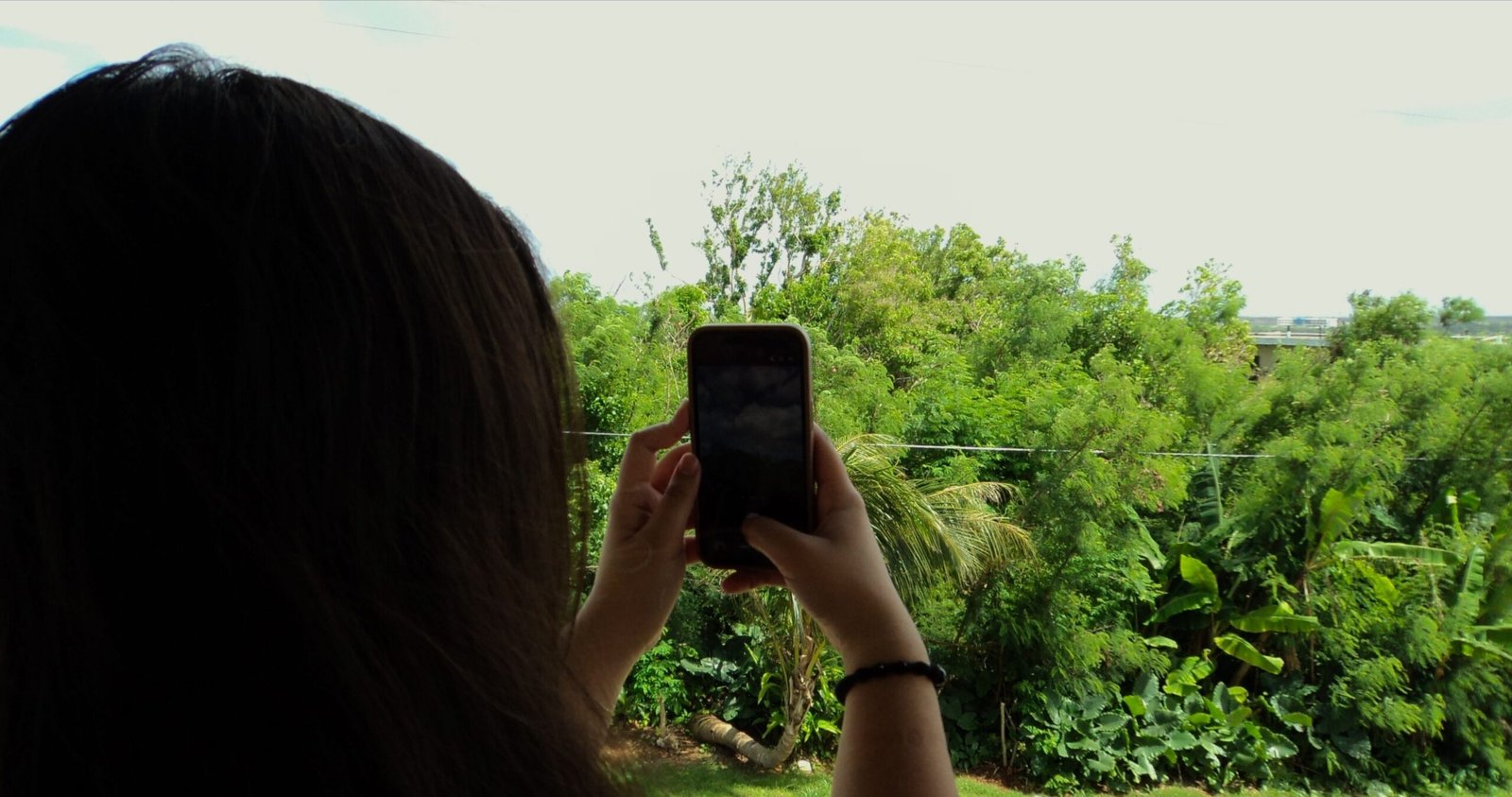
Tourism marketing was once largely controlled by organizations and businesses. Today, anyone with a phone can contribute to the image of a destination.
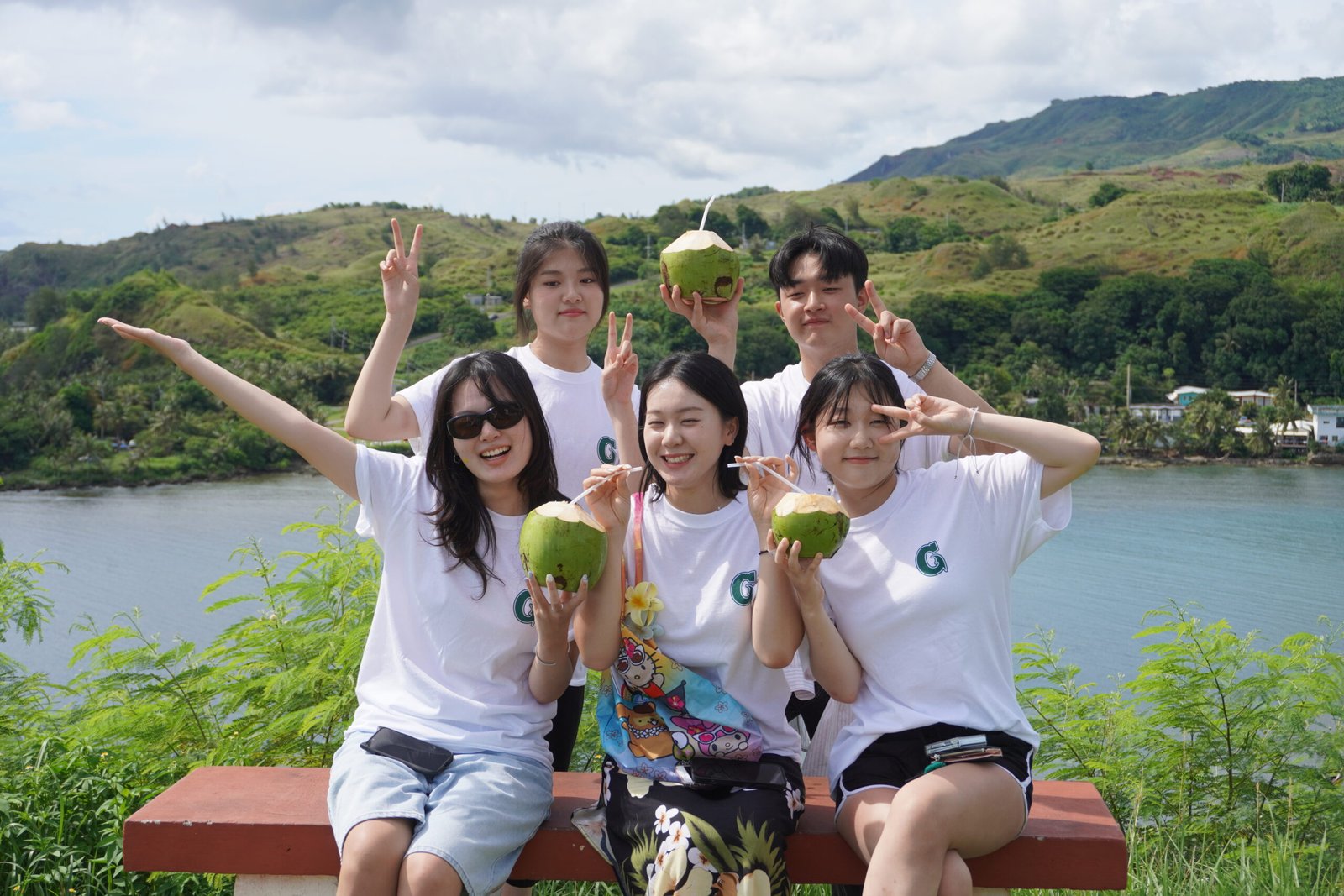
For Guam, that includes residents sharing their favorite restaurants, beaches, hiking trails, events, and hidden gems. It includes visitors documenting their vacations and sharing what surprised them about the island. It includes influencers introducing their audiences to Guam. It even includes military members stationed on the island who share their experiences and introduce Guam to friends, family, and followers elsewhere.
Together, these individual experiences create a much larger picture of the island.
The idea of residents becoming storytellers connects closely with the role that story, culture, and connection play in how Guam presents itself to visitors.
This can also make Guam feel more authentic.
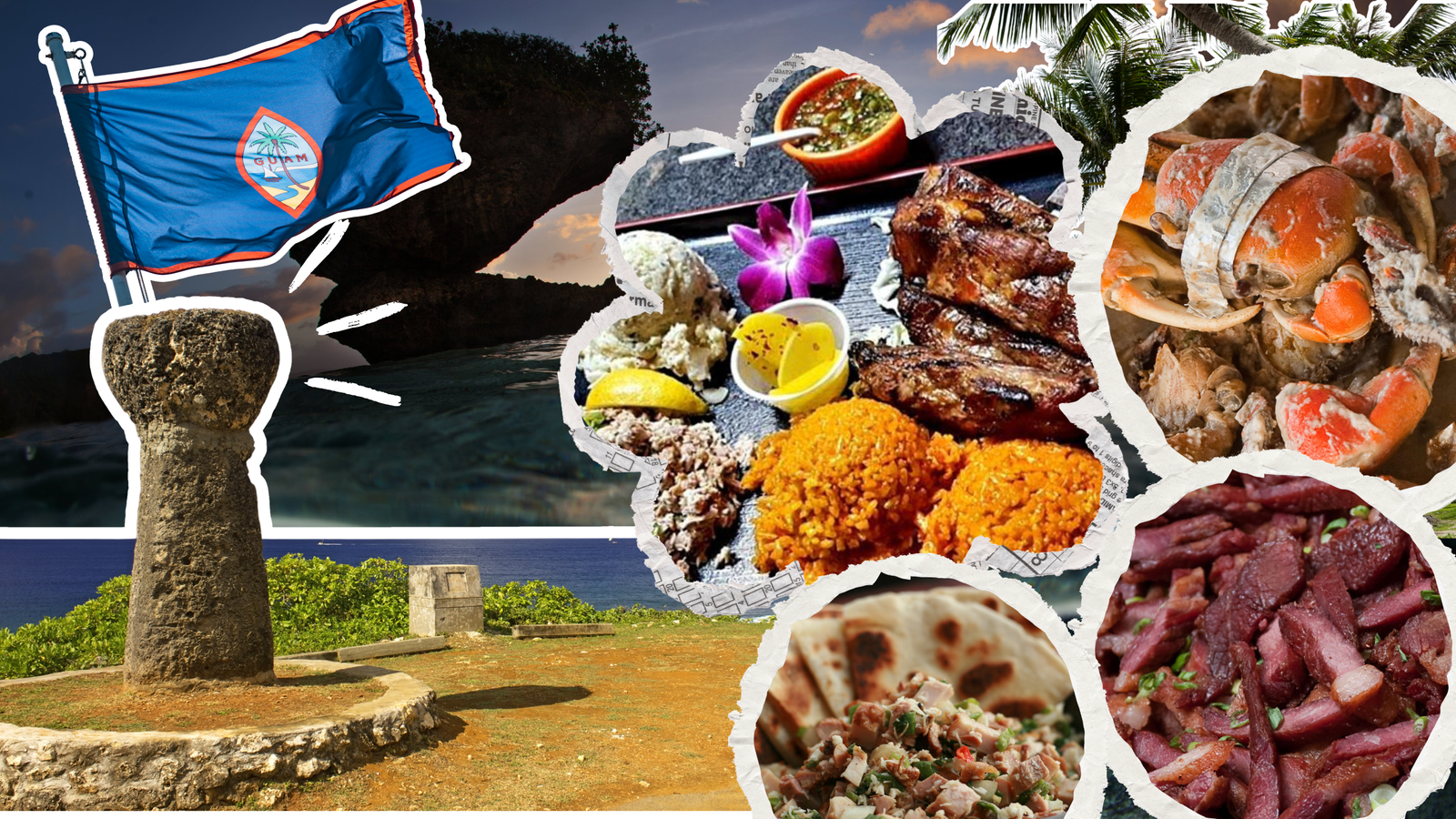
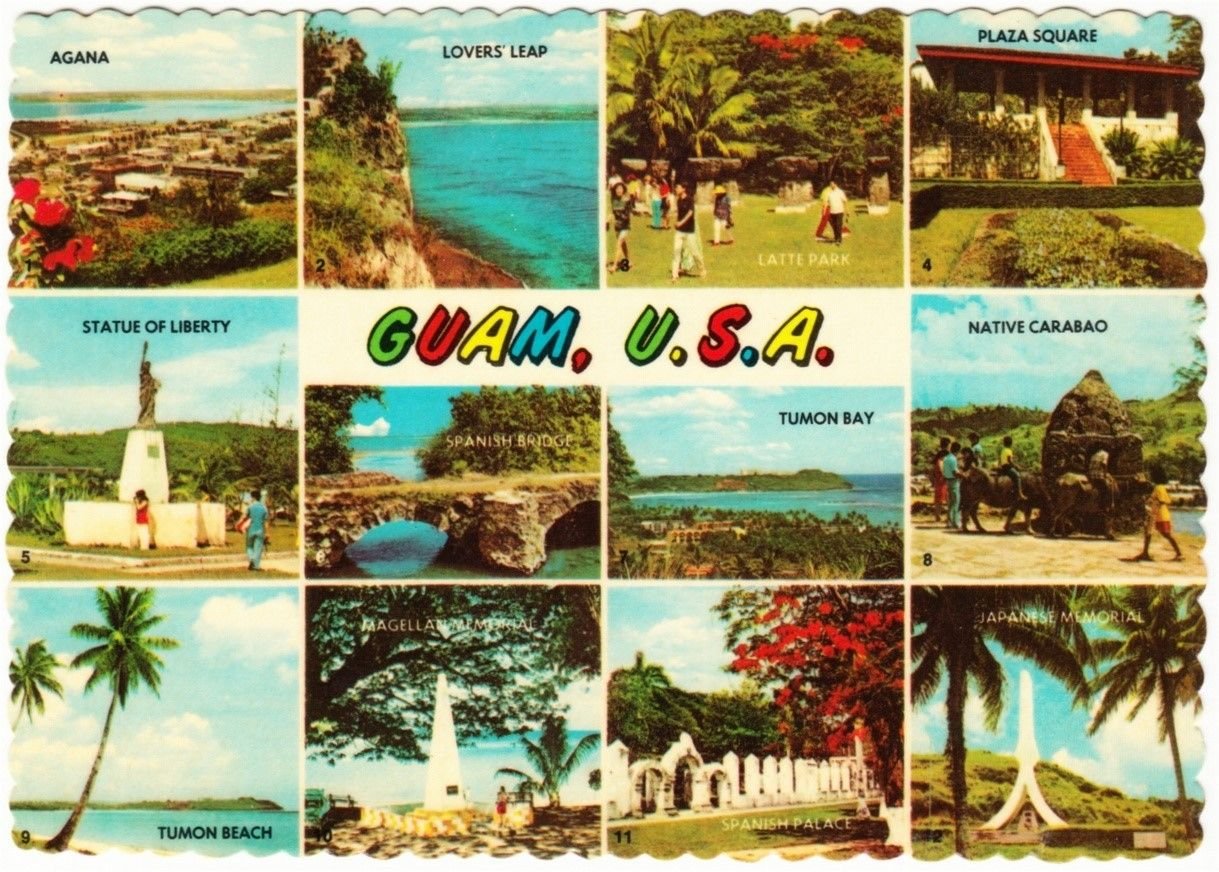
Traditional tourism advertising often highlights Guam’s most recognizable attractions: beautiful beaches, resorts, sunsets, and tropical scenery. Those experiences are certainly part of Guam, but they are not the entirety of the island.
Social media can show what happens beyond the postcard.
It can introduce someone to a local restaurant tucked away from the main tourist areas. It can show a hike through Guam’s natural landscapes, a community event, a local market, or a small business. It can give visitors a glimpse into how people actually spend their time on the island.
The result is a more personal version of Guam—one shaped by the people who live here and the people who experience it.
Looking Beyond the Surface
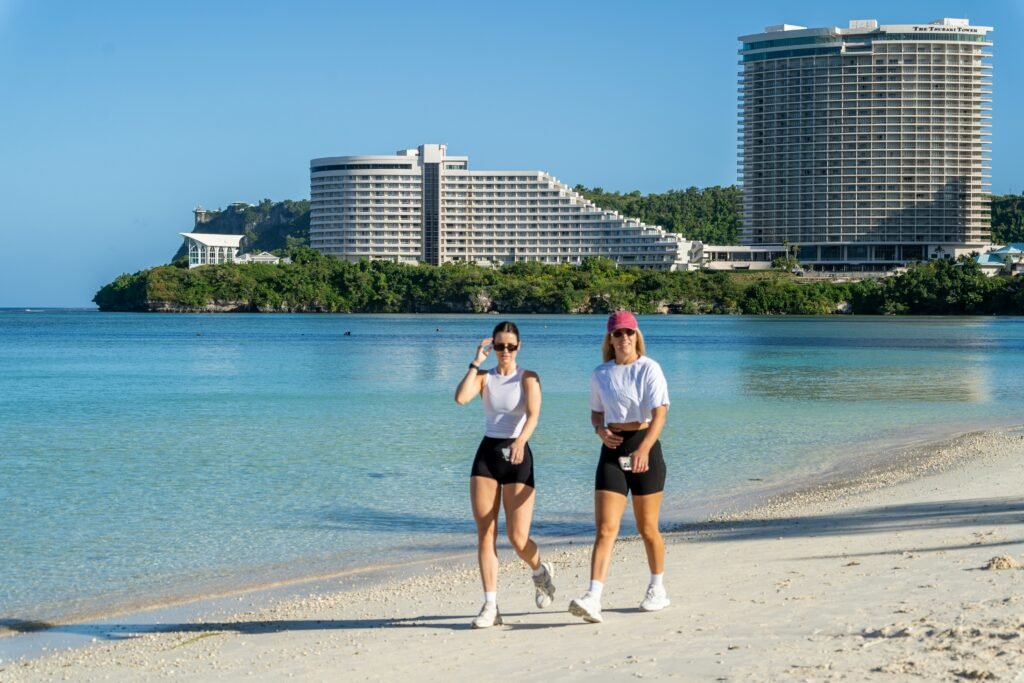
Social media can also influence how deeply someone chooses to explore Guam.
A quick search for “things to do in Guam” may produce many of the same popular attractions. For travelers who only follow the most common recommendations, their experience may remain centered around the surface-level activities that are easiest to find online.
But social media can also encourage people to go further.
Following local creators, searching for local businesses, exploring community events, and taking the time to learn about the island can lead visitors toward a more authentic and adventurous experience.
Social media does not necessarily determine how someone experiences Guam. It can determine where they begin to look.
That distinction matters.
A visitor who sees a beautiful beach on TikTok may come to Guam for that experience. But perhaps while researching that beach, they discover a nearby restaurant. From that restaurant, they learn about a local event. From that event, they encounter CHamoru food or traditions they had never experienced before.
One discovery can lead to another.
The Culture That Could Be Seen More
While social media has made many aspects of Guam more visible, there is still an opportunity to share more of the island’s CHamoru culture.
Restaurants, beaches, outdoor activities, resorts, shopping, and businesses are easy to find across social media. Cultural information, however, does not always appear with the same frequency.
For visitors unfamiliar with Guam, understanding the island’s culture can be just as important as knowing where to eat or what beach to visit.
Imagine if more travel content focused on questions such as: What does Håfa Adai mean? What should visitors know about Chamoru culture? How should visitors respectfully interact with cultural sites? What traditions are important to Guam’s communities? How can travelers support local culture?
Other destinations have become familiar with social media content explaining cultural etiquette and the “do’s and don’ts” of visiting their countries. Guam has an opportunity to do something similar.
This would not be about discouraging visitors from exploring the island. It would be about helping them understand it.
The more visitors know about Guam’s culture, history, and communities, the more prepared they can be to respect the places they visit and the people they encounter.
Social media can therefore become more than a tool for promotion. It can become a tool for education.
Visibility Comes With Responsibility
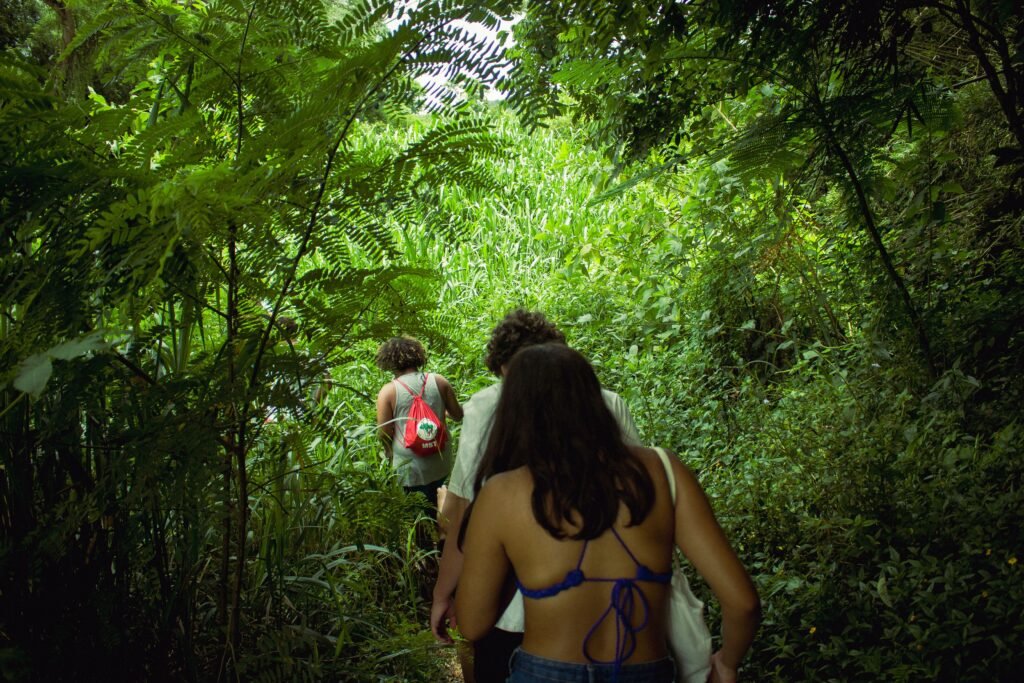
Greater visibility, however, does come with challenges.
A business can become crowded after going viral. A popular attraction can suddenly receive more visitors than it normally would. Natural areas can face additional pressure when thousands of people see the same location online.
Environmental damage is another concern. Most visitors understand not to disturb the places they visit, but curiosity can sometimes lead people to touch, move, or interact with things they should leave alone. Children may not understand the importance of protecting a natural environment, while adults may sometimes overlook the consequences of their actions. These concerns are also part of the larger conversation surrounding sustainable tourism in Guam.
This is another reason why responsible tourism content matters.
A post about a beautiful place can encourage people to visit, but it can also explain how to respect that place.
A video about a cultural site can showcase its beauty while explaining its significance.
A post about a local business can encourage people to support it while introducing visitors to the community behind it.
The goal should not be to stop sharing Guam. It should be to share Guam thoughtfully.
Can the Håfa Adai Spirit Exist Online?
Hospitality is often associated with a physical interaction: welcoming someone into a home, greeting a customer at a business, or helping a visitor find their way.
But in today’s tourism environment, a visitor’s first interaction with Guam may happen online.
A business’s social media page can be the first impression someone has of that business. A welcoming message, a behind-the-scenes video, an introduction to the people who run the business, or a simple invitation to visit can create a sense of connection before a traveler ever arrives.
The Håfa Adai spirit can also appear organically through the content people create.
A local recommending their favorite restaurant to a visitor. A resident helping someone discover a hidden part of the island. A business sharing the story behind its products. A visitor describing the kindness and generosity they experienced during their trip.
These moments may seem small, but together they communicate something important about Guam.
Hospitality does not have to begin at the airport or hotel. It can begin with a screen.
Changing the Way the World Sees Guam
For some people, Guam may still be associated primarily with its relationship to the United States and its military presence. Others may know it only as a tropical island in the Pacific.
Social media provides an opportunity to expand that image.
Guam can be seen not only as a place to visit, but as a place with people, businesses, traditions, communities, and stories.
A visitor might arrive after seeing a beautiful beach on Instagram. They might stay because of the experiences they discover. They might return home with a greater understanding of the island because of the people they met and the culture they encountered.
That is the potential of social media for Guam tourism.
It is not simply about getting more people to visit. It is about helping people understand what they are visiting.
As social media continues to shape how travelers discover destinations, Guam’s tourism story will increasingly be told through the collective voices of the people who live here, the businesses that operate here, and the visitors who experience it.
Every photo, Reel, TikTok, review, and recommendation contributes to that story.
The question is not whether social media will continue shaping how the world sees Guam. It already is.
The question is what story we choose to tell.
If we use social media to share not only where to go, but who we are, we can invite visitors to experience more than Guam’s scenery. We can introduce them to its people, culture, hospitality, businesses, and sense of community.
Because Guam has always had stories worth sharing.
Today, those stories can travel farther than ever before.
And in a world where travel increasingly begins with a scroll, sharing Guam means making sure there is more to discover than what fits on a screen