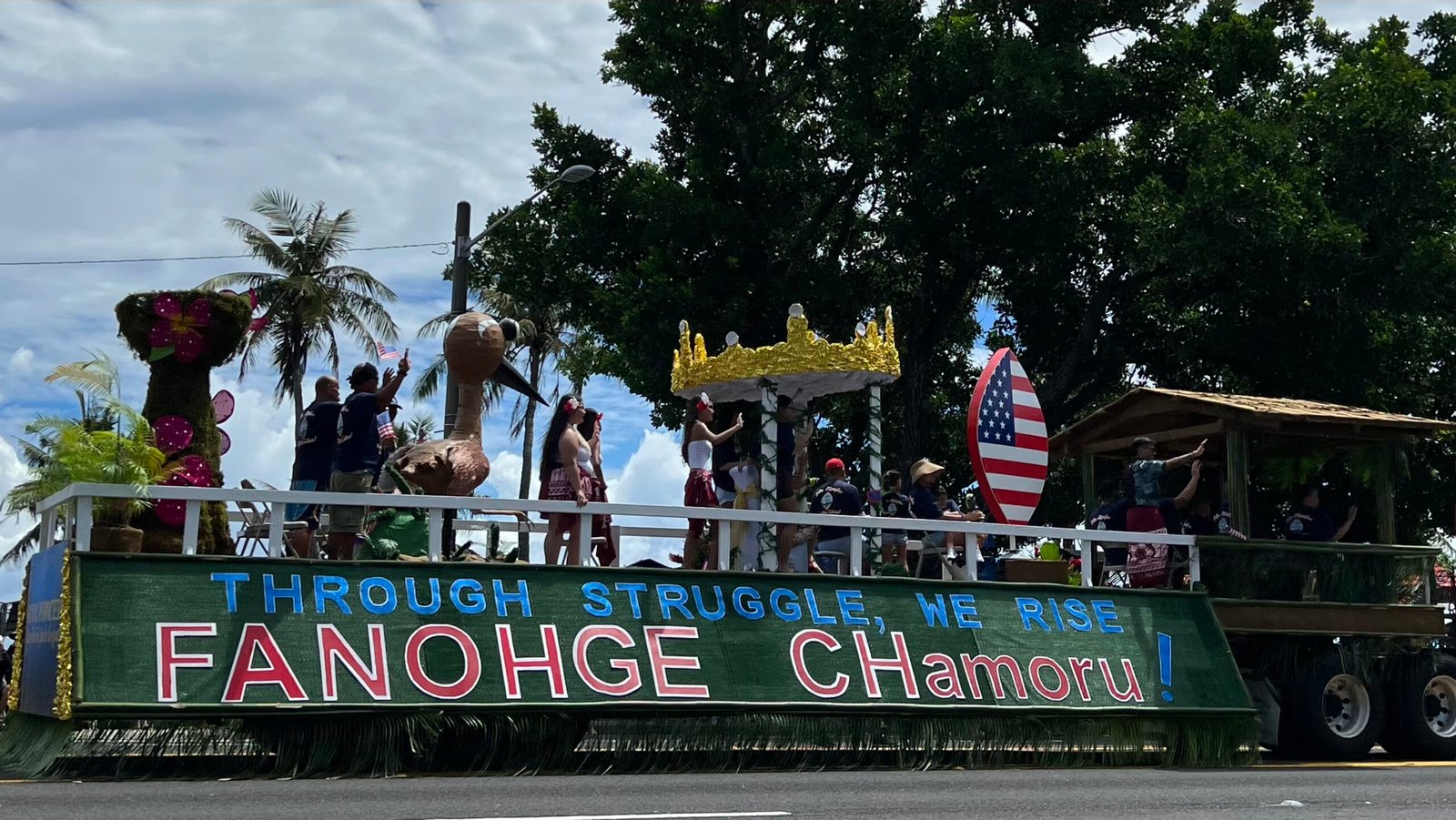
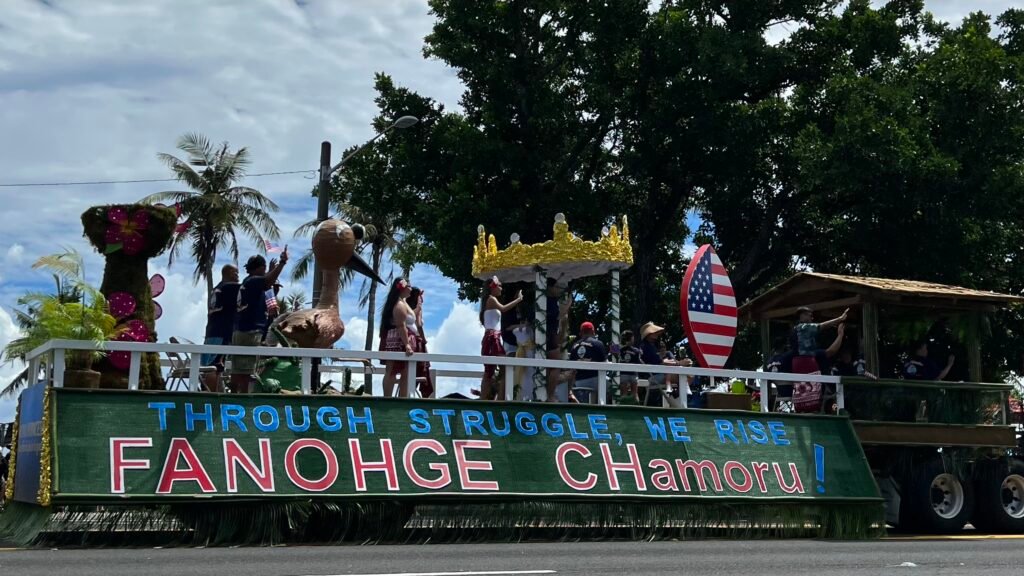
Every July, in the heart of Guam, Hagåtña, Liberation Day brings Marine Corps Drive to life with music, colorful floats, and thousands of people gathering to celebrate one of Guam’s most important holidays. Families set up tents along the parade route days in advance, grills fill the air with the smell of barbecue, children eagerly collect candy and goodies, and friends reunite for what feels like one giant island gathering.
To visitors, Liberation Day may look like Guam’s biggest festival. But for those who call the island home, it represents something far more meaningful. It is a celebration of freedom following one of the darkest periods in Guam’s history, a tribute to those who endured the hardships of World War II, and an opportunity for the community to come together in remembrance, gratitude, and pride.
For anyone visiting Guam in July, experiencing Liberation Day offers a unique opportunity to understand the island’s history, culture, and stories while celebrating the resilience and spirit of the CHamoru people.
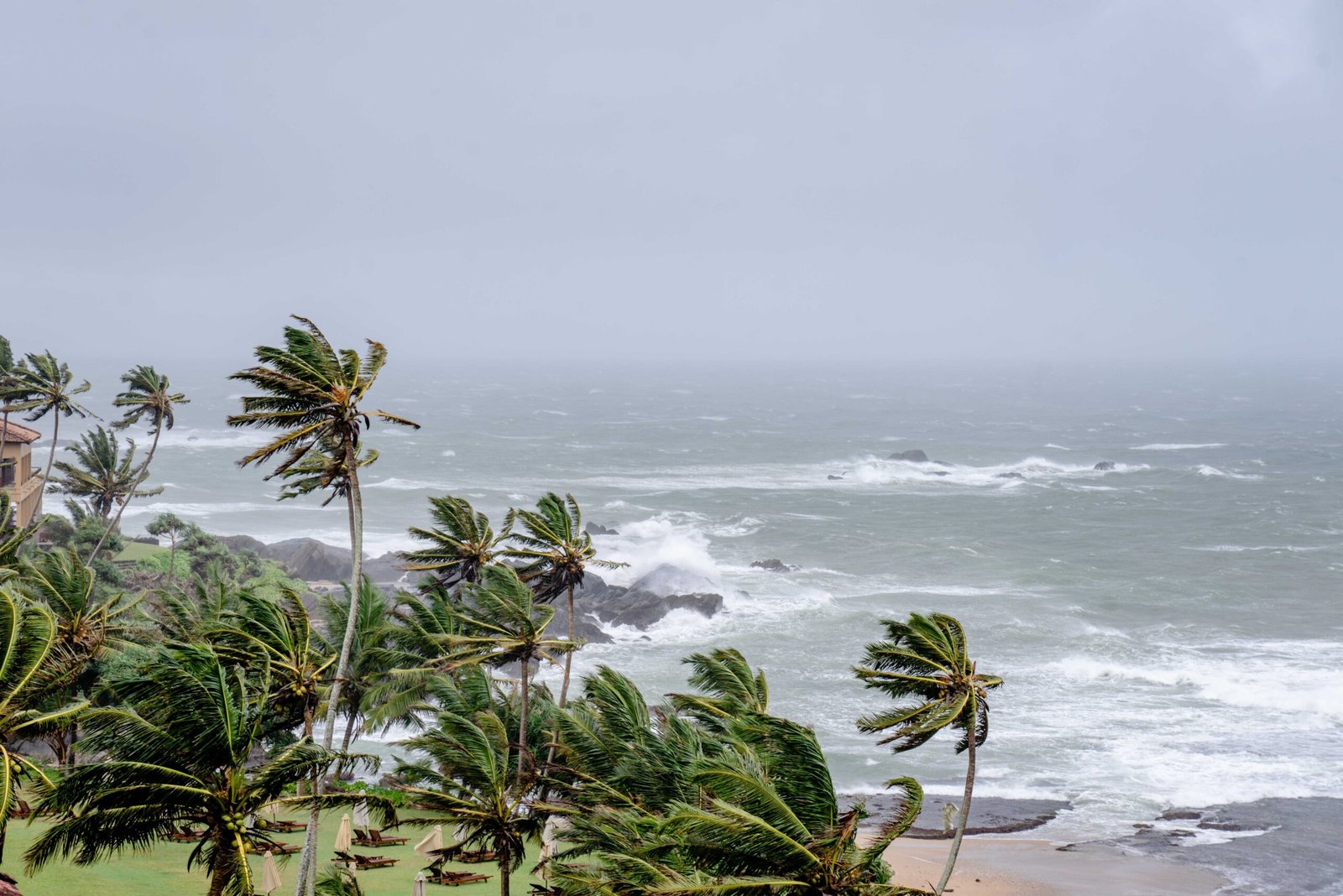
This year, however, the celebration will look different. Following the impact of Super Typhoon Bavi and Guam’s ongoing recovery efforts, the traditional Liberation Day Parade has been canceled. Community leaders made the difficult decision so that resources and attention could remain focused on helping the island recover after the storm. While one of Guam’s most beloved traditions will pause this year, the meaning behind Liberation Day remains as strong as ever.
Remembering Guam’s Liberation
On July 21, 1944, American forces landed on Guam, beginning the battle that would end nearly three years of Japanese occupation during World War II. For the people of Guam, liberation marked the end of a period defined by forced labor, imprisonment, violence, and the separation of families. More information about Guam’s role during World War II and the Pacific War can be found through the National Park Service’s historical resources.
Today, Liberation Day honors the survivors who endured those hardships, the military personnel who fought to reclaim the island, and those who lost their lives during the occupation and battle. While the day celebrates freedom, it also serves as an important reminder of Guam’s history and the sacrifices made by previous generations.
For many families, these stories are not distant history. They are memories passed down through parents, grandparents, and great-grandparents, making the celebration deeply personal for many island residents.
A Celebration That Brings the Entire Island Together
Liberation Day is one of the few occasions when it feels as though the entire island gathers in one place.
Every year, families line the streets of Hagåtña before sunrise, setting up chairs, tents, and barbecues while waiting for the parade to begin. The atmosphere feels less like a public event and more like one enormous family gathering where neighbors, relatives, and friends spend the day together.
The sights and sounds create an experience unlike any other.
The aroma of barbecue fills the air as families prepare traditional CHamoru dishes. Military units proudly march through the streets, village floats showcase months of creativity and preparation, and local businesses and government agencies hand out candy, souvenirs, and giveaways to spectators. Throughout the day, the sounds of CHamoru music, island songs, and lively performances celebrate Guam’s unique identity.
For many residents, watching the floats, collecting goodies, sharing good food, and simply being surrounded by the community have become traditions that are looked forward to every year.

Honoring Culture, Veterans, and Survivors
Although the parade is the most recognizable part of Liberation Day, it is only one piece of the celebration.
Religious services, ceremonies honoring veterans, and tributes to survivors ensure the day’s historical significance remains at the forefront. These moments remind both residents and visitors that Liberation Day is not solely about entertainment but about remembering those whose courage and sacrifice shaped Guam’s future.
Throughout the festivities, visitors may also see traditional CHamoru clothing, cultural dances, music, and performances that celebrate the island’s heritage. Villages proudly incorporate their history and traditions into parade floats and performances, helping preserve CHamoru culture while sharing it with future generations.
These traditions strengthen community bonds while passing Guam’s language, customs, and stories from one generation to the next. Organizations dedicated to preserving Guam’s history and heritage continue to play an important role in protecting these stories for future generations.
A Celebration That Extends Beyond Guam
The importance of Liberation Day reaches far beyond the island itself.
Many CHamoru families who now live in the continental United States continue celebrating together each July, organizing gatherings that keep their traditions alive even while living thousands of miles from home. These celebrations reflect the strong sense of identity and connection many people continue to feel with Guam, regardless of where they live.
How Liberation Day Supports Guam’s Local Economy
Beyond its cultural significance, Liberation Day also creates meaningful opportunities for Guam’s local businesses, artisans, and community organizations.
The celebration brings increased activity to many locally owned businesses, especially food vendors and small entrepreneurs who share their products with residents and visitors. Local vendors offering traditional CHamoru dishes, island favorites, and handmade goods become an important part of the festivities, allowing attendees to experience Guam’s culture through its food, crafts, and traditions.
For local artisans and craft vendors, Liberation Day provides a platform to showcase their creativity and share their work with a larger audience. Handmade artwork, cultural items, and locally produced goods help preserve traditional practices while supporting the individuals who continue to keep these skills alive.
The celebration also welcomes visitors who travel specifically to experience Guam’s Liberation Day festivities. These visitors contribute to the island’s tourism industry by supporting local restaurants, accommodations, transportation services, and other businesses throughout their stay.
More importantly, Liberation Day represents the type of cultural tourism on Guam that allows visitors to connect with Guam on a deeper level. Rather than experiencing the island only through its natural attractions, visitors have the opportunity to learn about Guam’s history, meet its people, support local businesses, and better understand the traditions that make the island unique.
By sharing Guam’s stories, culture, and community traditions, celebrations like Liberation Day encourage a more meaningful and sustainable approach to tourism—one that benefits both visitors and the people who call Guam home.
What Visitors Should Know
Visitors are always welcomed to experience Liberation Day, but understanding its history adds much greater meaning to the celebration. Travelers planning a visit during Guam Liberation Day can explore additional cultural events and visitor information through the Guam Visitors Bureau.
Learning about Guam’s occupation during World War II helps explain why Liberation Day remains one of the island’s most important holidays. While it is a joyful celebration filled with music, food, and festivities, it is also a day of remembrance for those who suffered during the occupation and gratitude for those who fought for Guam’s freedom.
Guam’s history also continues beyond 1944. While Liberation Day commemorates the end of Japanese occupation, discussions surrounding Guam’s political status and the right to self-determination remain important topics for many residents today. Recognizing this broader historical context can provide visitors with a deeper understanding of the island’s past and present.
More Than A Holiday
For many people, Liberation Day is about much more than watching a parade.
It is a celebration of community, resilience, and identity. It honors the bravery of those who endured unimaginable hardships while celebrating the culture that continues to thrive today. It is a day when generations gather together, stories are shared, traditions are celebrated, and pride in Guam is on full display.
Visitors who experience Liberation Day don’t simply attend one of the island’s largest events—they witness the enduring spirit of a community that has preserved its history, honored its heroes, and built a culture that continues to inspire future generations.
Liberation Day reminds us that Guam’s greatest treasures are not only found in its landscapes but in the stories, traditions, and people who continue to shape the island. Through celebrations like this, visitors are invited to experience Guam beyond the surface—to understand its history, support its communities, and appreciate the culture that continues to thrive today.